Open
Local agent spot
This featured-agent spot is open for a licensed local real estate professional in Vermont.
Advertise here →Vermont · New Homes
Vermont's combination of ski resorts, fall foliage tourism, farm-to-table food culture, and small-town New England character is unique — and the post-pandemic remote worker influx has driven prices significantly higher while the state's character has not changed
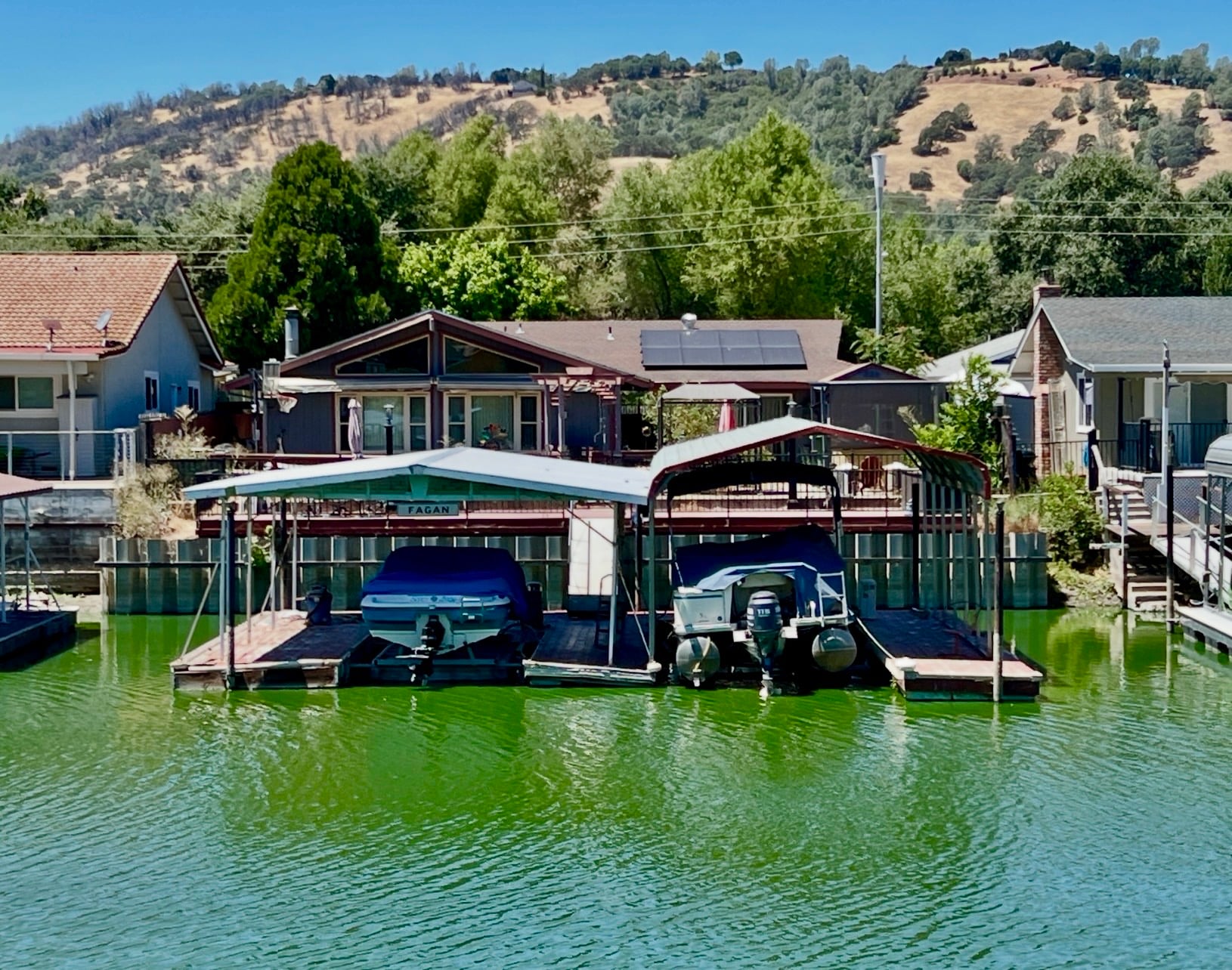
Vermont's real estate market is small, constrained, and increasingly competitive — a combination that has driven prices steadily higher particularly since 2020 when the remote work revolution allowed buyers to consider Vermont's extraordinary quality of life without sacrificing urban incomes. Burlington, the state's largest city, offers a genuinely urban experience that surprises visitors — a walkable waterfront, a nationally recognized restaurant scene, Church Street Marketplace, and the cultural influence of the University of Vermont and Champlain College, all at prices that still undercut comparable Massachusetts and Connecticut communities.
The ski resort communities of Stowe, Killington, Sugarbush, and Mad River Glen anchor Vermont's vacation home and short-term rental market. Stowe in particular has become one of the most sought-after four-season resort real estate markets in the Northeast, with national and international buyer profiles. Woodstock and Quechee in the southeast offer classic New England village character beloved by buyers seeking a pastoral retreat. The Champlain Valley between Burlington and the Adirondacks across the lake offers some of Vermont's most productive farmland and most scenic communities.
Want brand-new construction in Vermont? See builders and communities on NewUSAHouses.com.
At a glance
$395,000
$1,500
rising
Local resources
This featured-agent spot is open for a licensed local real estate professional in Vermont.
Advertise here →Estimate a comfortable price range in under a minute, then connect with a lender for real numbers.
Rough estimate only (28% of income toward housing, ~6.5% illustrative rate, 30-year term) — not a loan offer or pre-qualification. Connect with a lender for real numbers →
Lenders, inspectors, movers, and other local pros — this spot is open.
Advertise here →Why Vermont
Vermont's Act 250 is a comprehensive land use and development control law that regulates significant development projects. It can add substantial time and cost to new construction and development. Buyers purchasing land for building should consult with a Vermont attorney familiar with Act 250 requirements before making any commitments.
Vermont requires a licensed attorney to conduct real estate closings. The attorney examines title and handles the closing process. Budget $800-$1,200 for attorney fees. Vermont's property transfer tax of 1.45% is a significant buyer closing cost — always calculate this precisely before finalizing your budget.
Vermont's property transfer tax of 1.45% of sale price is paid by the buyer. On a $395,000 purchase this is approximately $5,728 — a meaningful closing cost. First-time homebuyers pay a reduced rate of 0.5% on the first $100,000 of purchase price. Always include this in your total purchase cost calculation.
Vermont's property tax system charges lower rates for owner-occupied primary residences (homestead) versus second homes and investment properties (non-homestead). File the Homestead Declaration with the Vermont Department of Taxes after closing. Failing to file results in paying the higher non-homestead rate.
Stowe is Vermont's most iconic ski resort community and one of the premier four-season resort real estate markets in the Northeast. With a national and international buyer profile, Stowe properties command significant premiums. The combination of alpine skiing, cross-country, mountain biking, and Stowe Mountain Lodge drives consistent rental demand.
A large portion of Vermont properties outside Burlington rely on well water and private septic systems. Both require regular maintenance and eventual replacement. Well water quality and septic system condition are required disclosures and should be priority inspection items. Replacement costs can be $15,000-$30,000+ for systems at end of life.
Vermont has an above-average cost of living for a rural state. Housing prices have risen considerably since 2020 as remote workers arrive. Heating costs in winter are significant. Burlington's amenities come at a price premium over more rural Vermont communities.
Builders: feature your communities in front of Vermont buyers — learn about advertising ↗
Want to own this market? Ask about our Vermont domains — see available domains ↗
Printable planning resource
Use a practical checklist for comparing housing, full ownership costs, communities, local risks, and the real estate process. Enter your name and email to unlock the guide.
Common questions
Vermont offers a distinct lifestyle for buyers who embrace the cold winters and rural character. The Burlington metro has solid fundamentals. Ski resort communities around Stowe and Killington are attractive for lifestyle and investment. Inventory is consistently very tight across the state making it a persistent seller's market.
The statewide median is approximately $395,000. Burlington and South Burlington average $450,000-$550,000. Stowe averages $700,000-$900,000. Rutland is the most affordable market at $220,000-$280,000. Rural Vermont properties vary widely from modest farmhouses under $250,000 to restored historic properties at $600,000+.
Vermont's Act 250 is a comprehensive land use and development control law that regulates significant development projects including new construction of 10+ units and subdivision of land into 10+ lots. It requires review by a District Environmental Commission and can add significant time and cost to development. Buyers purchasing land for building should consult with a Vermont attorney familiar with Act 250 requirements.
Vermont has a high effective property tax rate averaging around 1.78% — one of the highest in New England. On a $395,000 home annual taxes run roughly $7,031. File the Homestead Declaration after closing to receive the lower owner-occupant rate. Second homes and investment properties pay the higher non-homestead rate.
Vermont's property transfer tax is 1.45% of the sale price paid by the buyer. On a $395,000 purchase this equals approximately $5,728. First-time homebuyers receive a reduced rate of 0.5% on the first $100,000 of purchase price. This is a significant closing cost that must be included in your total purchase budget.
Vermont ski resort communities — particularly Stowe and Killington — offer strong short-term rental income potential from winter ski season and fall foliage season demand. Burlington offers consistent long-term rental demand from UVM students, faculty, and the growing professional class. The overall investment challenge in Vermont is high entry prices, high property taxes, and the property transfer tax that increases holding costs.
Search Vermont homes
Search new construction and resale homes statewide — the same live MLS data agents use, not just what's summarized on this page.
Search Vermont homes ↗Get connected
Prices, availability, and incentives change weekly and don't always make it onto this page. Tell us your area, budget, and timeline and we'll point you to communities that fit — including options we track but haven't published here yet.
Get connected in VermontTell us what you're looking for — buy, sell, both, invest, rent, or you're an agent, builder, vendor, or advertiser. Include where you want to buy or sell and your address if relevant, and we'll route you to the right resource.
Buyer · Seller · Both · Investor · Renter · Agent/Broker · New Home Builder · Vendor/Service Pro · Advertiser · Other
Enter your name and email. After your request is received, NewUSAHouses.com will open in a new tab.
Request received—opening NewUSAHouses.com…
Open new homes