Buy land
Define use, location, budget, access, utilities, improvements, financing, and the level of entitlement risk you can accept.
Open the land buyer guideLand Hub · USAHouses.com
This national land hub helps buyers and sellers organize the questions that come before a land transaction: use, access, utilities, zoning, title, water, surveys, financing, value, and the right local professionals.
Choose a direction
The `/land/` hub covers both sides of the market. The established `/buy/land/` page remains the focused buyer guide rather than being removed or redirected.
Define use, location, budget, access, utilities, improvements, financing, and the level of entitlement risk you can accept.
Open the land buyer guideGather title, survey, access, utility, tax, zoning, lease, environmental, and improvement information before setting a price and marketing plan.
Confirm zoning, density, setbacks, infrastructure, approvals, timelines, costs, and feasibility with qualified local professionals.
Water, soils, leases, mineral or timber rights, conservation restrictions, operations, and equipment can be as important as acreage.
A clear process
A homesite, investment parcel, working land, and development tract require different searches and due diligence.
Confirm legal access, boundaries, title, zoning, utilities, water, soils, environmental conditions, taxes, and restrictions.
Compare financing, contingencies, closing timing, professional reviews, and the true cost to make the land usable.
Know before you decide
Acreage alone does not establish value. Access, allowable use, utility availability, water, frontage, shape, terrain, entitlements, improvements, income, and comparable sales all matter.
Know before you decide
Marketing language is not a substitute for surveys, title work, zoning confirmation, environmental review, utility verification, inspections, and qualified legal or tax advice.
Questions
Sometimes, but down payments, rates, terms, appraisals, and lender requirements often differ from residential mortgages.
Useful records can include deeds, surveys, tax bills, access agreements, leases, utility information, zoning, soil or environmental reports, and documentation of improvements.
No. Zoning is only one part of feasibility; access, utilities, water, septic, environmental constraints, setbacks, permits, and other rules may apply.
Next step
Share the location, acreage, intended use, price range, property details, and timing so the request can be routed appropriately.
The secure request form loads only when you choose it.
Complete resource
The sections below retain and reorganize the substantive material from the established USAHouses.com page. Listings, incentives, rates, laws, programs, market figures, and availability can change; verify current details before acting.
USA Land · Buy & Sell
Buying a homesite, selling acreage, or hunting development deals — tell us what you need and we’ll point you to the right resources.
No cost to you — we’re paid by our professional partners.
Buying USA Land, selling acreage, or investing in vacant lots requires a strategic approach to local zoning laws, utility availability, and regional path-of-growth data. Whether you are looking to liquidate inherited property for cash or acquire raw dirt to build a custom homestead, understanding the open market is the key to maximizing your returns. Take a look around our comprehensive property directory, and make sure to explore our dedicated Buying Land and Selling Land resource hubs to guide your next transaction.
🌳 Residential Infill Lots & Subdivisions
🚜 Acreage Ranches, Farm & Undeveloped
🏗️ Development Commercial & Mixed-Use Parcels
📍 Map Search View Land by Geography
Selling raw land requires a completely different approach than selling a traditional home. When you sell a house, buyers look at kitchen countertops and school districts; when you sell land, they look at zoning, utility access, and future development potential. Whether you have inherited a rural tract, hold a vacant residential parcel in a high-demand community, or own a sprawling commercial site, your land represents a blank canvas for the next investor. We specialize in uncovering the hidden value metrics of your property—from soil chemistry to path-of-growth trends—ensuring your listing reaches the right buyers willing to pay a premium for a solid foundation.
The American real estate market is moving faster than ever, driven by a growing demand for space, privacy, and custom development. Don’t let your valuable acreage sit idle or sell for less than it’s worth. Our platform connects you with dedicated land specialists who understand local ordinances, environmental entitlements, and regional market trends across the United States. We handle the technical complexities of title clearances and marketing raw earth so you can enjoy a seamless, profitable transaction. Request a comprehensive, data-driven land valuation today and discover the true cash value of your property.
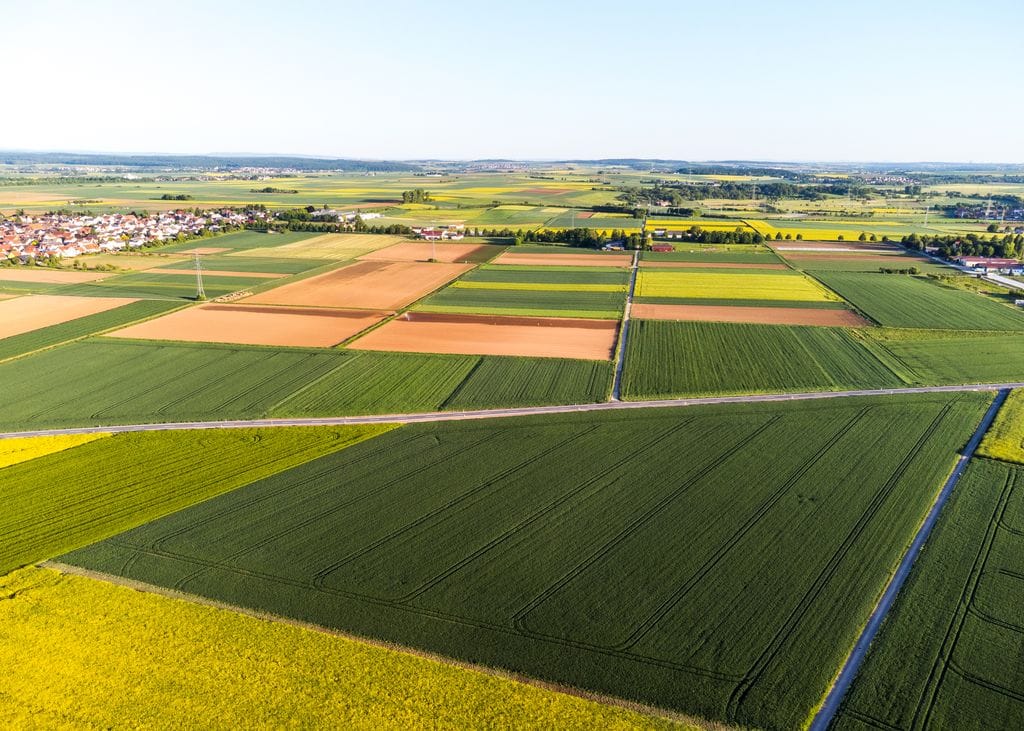
While land is a classic buy-and-hold asset, there comes a point where liquidating your acreage makes the most financial sense. Holding raw land means continuously paying annual property taxes and potential insurance costs without generating active monthly income. Capitalizing on market highs allows you to unlock that trapped equity and redirect it into cash-flowing investments, a retirement fund, or immediate personal goals. Furthermore, if you inherited a plot of earth in a region you don’t reside in, selling eliminates the headache of long-distance management and neighborhood complaints regarding overgrowth or trespassing.
To secure top dollar and prevent a deal from collapsing in escrow, you must treat selling land like a business transaction. First, obtain a clean, up-to-date property survey to clearly define your boundary lines for suspicious buyers. Next, gather all documentation regarding zoning restrictions, deed restrictions, and utility proximity—knowing exactly where the nearest electrical grid or water main sits is a massive selling point. Finally, if your land is in a rural area, invest in a proactive perc (percolation) test; proving to a buyer that the soil can support a septic system instantly increases your land’s baseline market value.
Selling directly to a developer requires looking at your property through the lens of a spreadsheet rather than a landscape. Developers care about maximum yield, meaning they want to know how many residential doors, commercial units, or industrial square feet can physically and legally fit on your dirt. Before approaching them, look into the county’s Comprehensive Master Plan to see if your area is slated for high-density zoning or upcoming infrastructure changes. When you present your listing, skip the lifestyle fluff and highlight the “path of growth” metrics: road frontage, ease of grading, and lack of environmental wetlands that would stall construction permits.
If you look at the “spread” between a $50,000 vacant lot and a $550,000 finished home, you are seeing more than just the cost of wood and nails. You are seeing:
Buying the “unimproved” version of a property allows you to capture that “sweat equity” for yourself. It is the purest form of investing because you aren’t paying for someone else’s kitchen renovations or paint choices; you are paying for the fundamental Earth beneath your feet.
As the old saying goes:“Don’t wait to buy land, buy it and wait.”
Investing in dirt is about more than just a legal description on a deed; it’s about securing a foundation for the future.
The United States offers a mosaic of terrain, each with its own “flavor” of ownership and investment potential.
Buying raw dirt is different from buying a house. You have to look at what’s under the ground and what’s allowed on top of it. See the “Land Man” essentials:
Read more about them at USAHouses.com/buy/land
In high-demand regions like California, check out Sonoma County or great places nearby up in Lake County like Hidden Valley Lake.
The Southeast: South Carolina & Georgia; The Southwest: Arizona & Nevada; The Heartland: Missouri & Kansas; The Florida Frontier: Ocala and Beyond… Visit USAHouses.com/buy/land to see more and explore…
Visit USAHouses.com/buy/land to see more and explore land in America, like Texas land, Florida land and other great locations…
You are responsible for all property taxes accrued up to the exact day of closing. At settlement, the title company or attorney will prorate the annual tax bill. If you have already paid for the year, you will receive a credit back from the buyer. If taxes are due, they will be deducted directly from your sale proceeds, ensuring the buyer receives a clean title with a zero balance.
Yes. A tax lien does not prevent you from selling your property, but it must be satisfied during the transaction. When the escrow agent processes the sale, the outstanding lien amount—including any accrued interest or penalties—will be paid off directly from your closing proceeds before your final cash payout is wired to your bank account.
While a traditional house sale often closes in 30 to 45 days, raw land transactions typically take between 60 to 90 days. This extended timeline is entirely due to the buyer’s due diligence period. Land buyers require extra time to conduct soil percolation tests, verify zoning entitlements with the county, and confirm utility connectivity boundaries before finalizing the purchase.
Unlike residential neighborhoods where houses match side-by-side, raw land value is highly dependent on utility access, road frontage, and local zoning classifications. To find the true market value of your dirt, skip the automated online estimators—which cannot calculate topography or path-of-growth metrics—and submit your parcel details below for a professional evaluation based on recent regional land sales.
Don’t guess at your property’s equity or leave money on the table. Whether you own an inherited rural tract, a vacant suburban lot, or commercial acreage, our dedicated land specialists analyze active market demands, development potential, and local zoning laws to deliver a precise valuation.
Fill out the form below to request your free, data-driven land valuation and consultation.
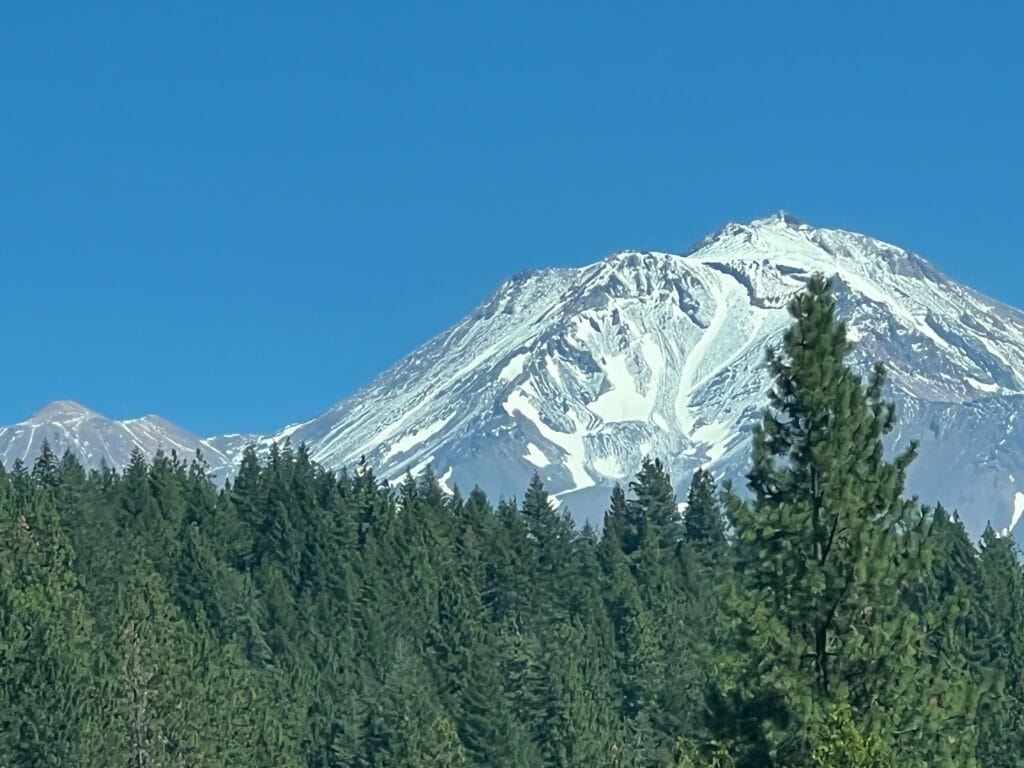
From the timber-rich tracts of the Southeast(including South Carolina & Georgia) to the fast-growing desert expansions of the Southwest(across Arizona & Nevada), location dictates value. Whether you are tracking agricultural productivity in the Heartland markets of Missouri and Kansas, or analyzing premier equestrian acreage along the booming Florida Frontier in Ocala, matching your strategy to regional trends is essential. Visit our specialized Buying Land dashboard to filter active listings, view regional boundary maps, and explore available parcels state by state.