New-home range
$300k–$650k+
Orientation for major New Hampshire metros already covered on USAHouses.com — Manchester, Nashua, Concord, Derry corridors vary.
New Hampshire · Houses & Real Estate
Explore New Hampshire houses, regional markets, new construction, and local expertise — start with city guides, counties, and verified statewide orientation.
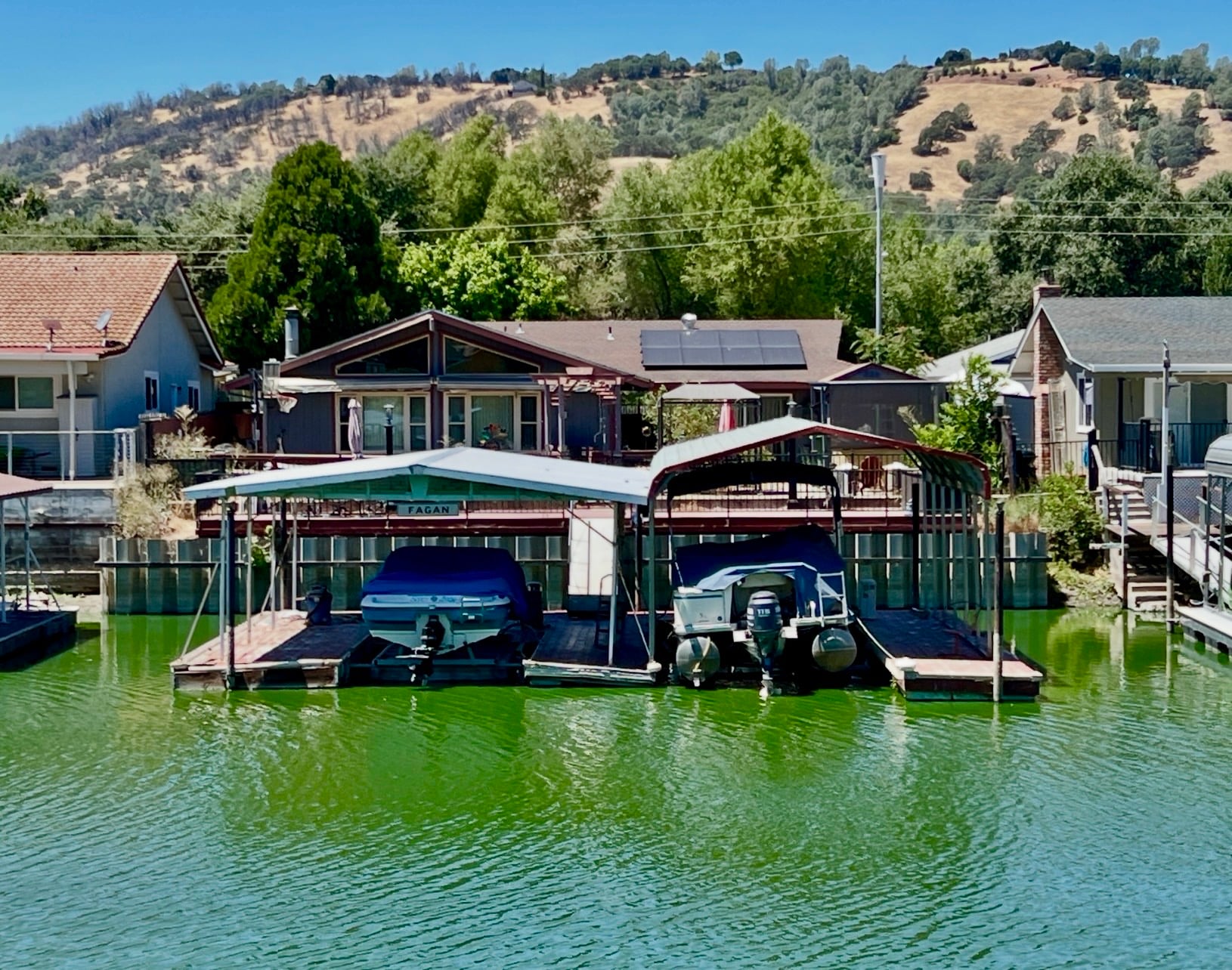
New Hampshire Market Snapshot
Clean ranges for orientation — useful for New Hampshire houses and real estate planning, not a brochure substitute for local advice.
Figures can vary by source and timing. New Hampshire market pace also varies by region — including high-demand metros and fast-growing secondary markets.
New Hampshire City Guides
Natural-path city pages for New Hampshire houses, homes, and local market context — start here, then drill into counties and new construction. These city guides keep major New Hampshire market links (Manchester, Nashua, Concord, Derry, Dover, Rochester, Salem, Merrimack, and more) in one place.
All 38 New Hampshire city guides on USAHouses.com — natural paths only.
New Hampshire Counties
All 10 New Hampshire counties — linked to existing USAHouses.com county pages when present.
All 10 New Hampshire counties on USAHouses.com.
New Construction
Browse active new-construction communities across New Hampshire — map and search open after a quick name + email access form. No large NewUSAHouses chrome iframe on load.

Live New Hampshire community map opens after quick access
At a glance
New Hampshire is multiple regional markets; values vary widely by metro. New Hampshire has no state income tax — still confirm property tax, insurance, and HOA locally.
1,387,834
$95,628
$367,200
$599,450
$1,423/mo
2.7%
None — confirm locally
Statewide figures are orientation only — confirm current local numbers before you act.
New Hampshire Specialists
Tell us whether you want to buy, sell, pursue new construction, or invest — then share a city or metro when you can.
Local expert form loads when you are ready.
New Hampshire Deep Dive
Long-form New Hampshire houses & real estate guidance — then city links and FAQs.
New Hampshire’s real estate market is shaped by two powerful forces: its status as New England’s premier tax haven — no income tax on wages, no sales tax, and no real estate transfer tax — and its role as a Boston commuter destination for buyers seeking more space and lower prices than Massachusetts. Southern New Hampshire communities along the Route 3 and I-93 corridors have seen extraordinary demand from Boston workers who discovered they could get more home, better schools, and a lower overall tax burden by crossing the state line.
The Lakes Region centered on Lake Winnipesaukee offers one of the most beloved vacation and year-round lifestyle markets in New England. Properties on the lake itself carry significant premiums while surrounding towns offer more accessible price points. The White Mountains ski communities — particularly around North Conway and Waterville Valley — serve a distinct seasonal buyer market. The Seacoast area around Portsmouth offers a compact, walkable city with strong cultural amenities at prices that reflect its desirability.
Whether you are looking to buy a home, sell a property, explore new construction, or find investment opportunities in New Hampshire, this guide covers the market, the buying and selling process, closing customs, and what makes New Hampshire distinctive for real estate.
New Hampshire has emerged as one of New England’s most compelling real estate markets for both homebuyers and investors seeking exceptional value. The state’s distinctive tax structure—featuring no income tax on wages and no sales tax—creates a powerful financial advantage for moderate-to-high income earners compared to neighboring states. This tax-advantaged positioning, combined with housing prices that remain meaningfully below those in nearby Massachusetts, positions southern New Hampshire as an increasingly attractive commuter market for Boston-area employment. The region’s residential appeal is further strengthened by its access to major employers across multiple sectors, including technology, defense manufacturing, financial services, and healthcare, many of which offer remote work flexibility that amplifies the value proposition.
The market’s growth trajectory reflects broader demographic and economic trends favoring the region. Southern New Hampshire communities such as Nashua, Manchester, Salem, Merrimack, and Londonderry have experienced rising demand from commuters and relocating professionals recognizing the cost-of-living differential. Major employers including BAE Systems, Liberty Mutual, Fidelity Investments, and Dartmouth Health provide substantial job base stability, while the presence of the University of New Hampshire ensures continued economic vitality. These employment anchors, combined with the state’s quality of life factors, have created sustained upward pressure on property values, making current market conditions particularly favorable for early investors positioning themselves ahead of broader recognition of New Hampshire’s advantages.
While New Hampshire’s overall cost of living reflects elevated housing prices, the cumulative tax benefits deliver genuine financial relief for qualifying buyers and investors. The combination of zero income tax, absence of sales tax, commutable Boston employment access, and below-Massachusetts pricing creates a rare market alignment favoring buyers’ financial interests. For those seeking to optimize their real estate investment returns while maintaining proximity to major employment centers, New Hampshire represents a distinctive opportunity within the current New England market landscape.
New Hampshire’s nickname as “The Granite State” reflects its rugged New England geography and robust climate, which significantly impact housing decisions for prospective residents. The state’s terrain varies dramatically, from the snow-laden White Mountains in the north featuring Mount Washington to the Atlantic seacoast in the southeast and the picturesque Lakes Region in the center. The Connecticut River Valley forms the western border, creating diverse microclimates throughout the state. Understanding these geographic features is essential for homebuyers, as they directly influence long-term property ownership costs and lifestyle considerations.
The humid continental climate with its cold, snowy winters is perhaps the most significant factor affecting housing expenses in New Hampshire. The White Mountains region receives substantial snowfall annually, necessitating robust HVAC systems and superior insulation in homes. Energy costs escalate considerably during winter months, with heating being a primary expense for residents. Additionally, properties in flood-prone areas near the Connecticut River Valley or coastal regions face increased flood insurance premiums, while winter storm damage risk elevates homeowner’s insurance across the entire state. Homeowners should anticipate higher annual utility bills and maintain emergency preparedness for nor’easters and winter weather events.
Seasonal considerations deeply influence housing decisions in New Hampshire’s variable climate. While the state’s spectacular fall foliage attracts visitors and potential residents, this beauty comes with demanding winter maintenance requirements. Properties require winterization, including gutter cleaning, roof snow load management, and driveway access maintenance. Conversely, the warm summers and recreational opportunities around the Lakes Region and seacoast provide lifestyle benefits that offset these challenges. Prospective homebuyers should carefully evaluate their tolerance for winter weather, calculate realistic energy budgets, review insurance costs with local agents, and consider properties with modern HVAC systems and efficient construction to minimize long-term ownership expenses.
New Hampshire’s real estate market demonstrates significant regional variation across its major cities, with price points and market dynamics reflecting each area’s proximity to employment centers and lifestyle amenities. Portsmouth commands the highest prices, driven by its coastal location and affluent demographics, while Manchester and Nashua represent the state’s largest metropolitan markets with moderate pricing and strong buyer competition. Concord, as the capital, attracts government employees and professionals seeking stability, whereas smaller communities like Exeter and Dover appeal to families prioritizing quality schools and town character. The secondary markets of Derry, Londonderry, and Merrimack benefit from their positioning between Boston and northern New Hampshire, creating accessibility that drives sustained demand. Across these markets, rising property values reflect broader economic confidence and migration patterns, particularly among professionals relocating from neighboring states seeking New Hampshire’s favorable tax environment.
Competitiveness varies considerably by market segment and price range. Portsmouth’s luxury segment remains highly competitive, attracting wealthy buyers from metropolitan Boston and beyond. Manchester and Nashua experience intense competition across all price ranges due to inventory constraints and strong employment opportunities in technology and healthcare sectors. Conversely, Rochester and Dover offer relatively more inventory and less aggressive bidding wars, appealing to price-conscious buyers willing to extend their commutes. Properties in Londonderry and Merrimack generate moderate competition, balancing new construction availability with established neighborhood appeal. These distinctions significantly influence buyer strategy and timeline expectations throughout the state.
Buyer demographics reflect each market’s economic profile and lifestyle offerings. Portsmouth attracts affluent retirees and executives, while Manchester and Nashua draw young professionals and growing families. Concord appeals to government workers and established families, whereas communities like Exeter attract education-oriented families valuing school systems. The absence of state income and sales taxes creates substantial financial advantages for moderate-to-high income earners, effectively offsetting New Hampshire’s elevated housing costs compared to regional competitors and strengthening the overall investment proposition across all market segments.
New Hampshire’s real estate market reflects the state’s diverse geography and lifestyle preferences. In the southern commuter suburbs around Nashua, Salem, Derry, and Londonderry, buyers typically find colonial-style homes and ranch houses built between the 1960s and 2000s. These communities feature smaller suburban lots, often ranging from 0.25 to 0.5 acres, with many properties governed by homeowners associations that maintain consistent neighborhood standards. The proximity to Boston employment centers makes these areas particularly attractive to professionals seeking affordable alternatives to Massachusetts property markets.
The Lakes Region and White Mountains areas offer distinctly different housing opportunities. Seasonal and year-round properties around the Lakes Region range from modest cottages to substantial waterfront estates, with lot sizes varying dramatically from compact 0.1-acre lakefront parcels to expansive multi-acre properties. Similarly, the White Mountains ski and resort communities near Mount Washington cater to vacation home buyers and investors, featuring contemporary mountain chalets and traditional lodge-style homes. The Seacoast communities near Portsmouth showcase New England colonial architecture alongside modern coastal construction, with premium pricing reflecting Atlantic Ocean proximity and the region’s established heritage appeal.
Master-planned developments throughout New Hampshire increasingly appeal to buyers seeking amenities and property management. These communities typically feature cohesive architectural guidelines and shared recreational facilities. Unique to New Hampshire is the prevalence of homes built on substantially larger lots compared to other northeastern states, reflecting the region’s lower population density and abundant forests. Whether buyers pursue commuter convenience, mountain recreation, lake access, or coastal living, New Hampshire’s varied geography supports distinct housing styles and community types suited to different buyer preferences and lifestyles.
The home buying process in New Hampshire begins with securing a qualified buyer’s agent and obtaining mortgage pre-approval, which demonstrates your financial readiness to sellers and strengthens your negotiating position. Once you identify a property, your agent will help you craft a competitive offer that includes all necessary contingencies. The earnest money deposit, typically ranging from one to two percent of the purchase price, is held by either the listing broker or title company and serves as a good-faith commitment to the transaction. This deposit becomes part of your down payment at closing.
Following offer acceptance, the inspection period becomes your critical window for due diligence. Unlike some states with formal option periods, New Hampshire integrates inspection contingencies directly within the purchase contract itself, allowing buyers to negotiate repairs or credits based on inspection findings. Simultaneously, your lender will order an appraisal to ensure the property value supports the loan amount. The financing contingency protects you if the appraisal comes in lower than expected or if lending conditions change. During this phase, real estate attorneys are commonly utilized in New Hampshire transactions, though technically not required, to review contracts and protect your interests.
The closing process typically occurs within thirty to forty-five days and involves a title company or escrow holder who coordinates all final details. Key professionals include the title company representative, your attorney if retained, the lender’s representative, and the seller’s agent. You’ll review the closing disclosure, sign final documents, and conduct a final walkthrough before funding. Understanding New Hampshire’s specific customs and requirements ensures a smoother transaction from offer through closing, protecting your investment throughout the entire home purchase journey.
New Hampshire’s real estate market operates under well-established customs and practices that provide structure and clarity for both buyers and sellers. The state predominantly uses the New Hampshire Association of REALTORS purchase and sale agreement, which serves as the standard contract framework for residential transactions. This standardized form helps streamline negotiations and provides familiar terms for all parties involved. While New Hampshire does not mandate an attorney review period as part of the standard transaction timeline, legal professionals are commonly engaged by buyers and sellers to ensure their interests are protected throughout the process. The involvement of attorneys remains optional but highly recommended, particularly for complex transactions or when significant legal issues arise during the sale.
Seller disclosures represent a critical component of New Hampshire real estate transactions. State law requires sellers to provide comprehensive disclosure documents that inform buyers about the property’s condition, known defects, and any material facts that could affect its value or desirability. Additionally, inspection contingencies are standard practice in New Hampshire transactions, allowing buyers to conduct professional inspections and potentially negotiate repairs or credits based on findings. These protections give purchasers the opportunity to make informed decisions before committing to their purchase. The earnest money deposit, typically ranging from one to two percent of the purchase price, demonstrates the buyer’s good faith commitment and is customarily held by either the listing broker or title company until closing.
New Hampshire functions as a title company and escrow state, meaning that closings are frequently handled through title companies rather than exclusively through attorneys, though legal representation remains an option. This system provides efficient transaction management while maintaining necessary safeguards. Understanding these customs and requirements helps both buyers and sellers navigate New Hampshire real estate transactions smoothly and confidently.
Closing costs in New Hampshire represent a significant financial consideration for both buyers and sellers engaged in real estate transactions. For buyers, typical closing costs generally range from two to four percent of the purchase price, while sellers typically face closing costs between six and eight percent, which includes real estate commission. Understanding these expenses is essential for anyone participating in the New Hampshire real estate market, as they can substantially impact the overall cost of a property transaction.
One of the most advantageous aspects of purchasing real estate in New Hampshire is the absence of a state real estate transfer tax. This distinction sets New Hampshire apart from many other states and represents a considerable financial benefit for both parties involved in a transaction. When combined with New Hampshire’s broader tax environment, which includes no state income tax and no sales tax, this transfer tax exemption creates an exceptionally favorable economic landscape for real estate transactions. Prospective buyers and sellers should recognize this advantage when comparing New Hampshire to other states.
Regarding title insurance, New Hampshire follows specific customs that buyers should anticipate when budgeting for closing costs. Owner’s title insurance is customarily paid by the buyer in New Hampshire transactions. Additionally, lender’s title insurance always represents a buyer cost, as lenders require this protection to secure their interest in the property. By understanding these title insurance conventions and the overall closing cost structure, buyers and sellers can better prepare financially and make informed decisions throughout their New Hampshire real estate transactions.
Selling a home in New Hampshire requires a strategic approach that capitalizes on the state’s current rising market conditions. Pricing strategy should reflect the competitive landscape, with homes typically spending approximately 20 days on the market before receiving an offer. To maximize your home’s appeal and value, work with a local real estate professional to conduct a comparative market analysis of recently sold properties in your specific area. In Southern New Hampshire’s Boston commuter belt, emphasize proximity to major highway exits and provide detailed commute times to prominent Boston employment centers, as these factors significantly influence buyer decisions. For Lakes Region properties, highlight waterfront amenities, dock rights, and water quality certifications, as these features command premium prices among discerning buyers.
The listing process in New Hampshire benefits from thorough preparation and professional presentation. High-quality photography, detailed property descriptions, and virtual tours are essential tools for attracting serious buyers in this competitive market. Staging your home is particularly important when selling to the sophisticated Boston-market demographic, who often scrutinize property condition closely. Focus on decluttering, making necessary repairs, and presenting rooms that showcase potential rather than current personal use. Professional staging can significantly impact buyer perception and negotiation outcomes.
Understanding negotiation norms in New Hampshire is crucial for successful sales. Buyers in the commuter belt and Lakes Region typically come prepared with inspections and appraisals, expecting transparent negotiations based on market data. Be flexible with inspection requests and prepared for price discussions, while remaining firm on property condition expectations you’ve established through staging and disclosure.
Ready to Sell in New Hampshire? Get connected with a licensed New Hampshire listing agent who knows your local market. List Your New Hampshire Home →
The new construction market in New Hampshire presents distinct opportunities for homebuyers seeking modern properties in strategically located communities. Major builders including D.R. Horton alongside established New England regional builders are actively developing residential neighborhoods throughout the state, though zoning restrictions in many towns limit expansion possibilities. Most new construction activity concentrates in southern New Hampshire, particularly along the Route 3 and I-93 corridors, where proximity to Boston and employment centers drives demand. Communities such as Exeter, Derry, and Londonderry have emerged as construction hotspots, offering convenient commuting options for professionals working in Massachusetts while maintaining New Hampshire’s desirable tax advantages.
New Hampshire’s new construction market encompasses diverse community types tailored to various lifestyles and priorities. Boston-commuter suburbs including Nashua, Salem, Derry, and Londonderry feature suburban neighborhoods designed for workforce families seeking accessibility to major employment centers. Meanwhile, the Lakes Region offers both seasonal and year-round residential properties appealing to those prioritizing recreational opportunities, while White Mountains communities cater to ski enthusiasts and resort-oriented lifestyles. Seacoast communities near Portsmouth provide coastal living options for homebuyers drawn to maritime environments and oceanfront amenities.
Prospective buyers should thoroughly understand new construction contracts before committing, as these agreements differ significantly from existing home purchases. Key considerations include lot premiums, which vary based on location and desirable features, upgrade costs that can substantially exceed base pricing, construction timelines that may extend beyond initial estimates, and warranty coverage protecting structural elements and systems. Additionally, buyers should clarify warranty terms, builder reputation, and potential price escalation clauses. Careful contract review and consultation with legal professionals ensure informed decisions and protect investments in these new residential communities throughout New Hampshire.
Explore New Construction Homes in New Hampshire →
New Hampshire’s housing market remains robust due to a diverse economic foundation anchored by major employers across multiple sectors. BAE Systems operates a significant defense manufacturing presence, while Liberty Mutual and Fidelity Investments maintain substantial financial services operations throughout the state. Healthcare institutions, including Dartmouth Health and Catholic Medical Center, provide stable employment alongside the University of New Hampshire, which serves as both an educational anchor and major regional employer. This employment diversity creates sustained housing demand across professional salary ranges.
Southern New Hampshire presents particular appeal for families and professionals seeking proximity to Boston’s extensive job market while maintaining residence in the state. The region’s technology sector benefits from accessible Boston-area companies, complementing local defense and manufacturing opportunities. This accessibility, combined with the state’s notable tax advantages, creates powerful relocation incentives. New Hampshire residents enjoy no income tax on wages and no sales tax, meaningfully reducing the overall tax burden compared to Massachusetts and other neighboring states. For moderate-to-high income earners, this tax structure provides substantial annual savings that offset higher housing costs.
Beyond economic factors, New Hampshire attracts relocating families through its exceptional quality of life. The Lakes Region offers scenic recreation and waterfront living, while the state’s abundance of hiking, skiing, and outdoor activities appeals to active households. Communities like Manchester, Nashua, Concord, Portsmouth, and surrounding towns provide urban amenities with access to natural spaces. Southern border communities including Salem, Derry, Londonderry, and Merrimack position residents within convenient commuting distance to Boston while maintaining New Hampshire residency benefits.
Housing affordability relative to Massachusetts and Southern New England further strengthens relocation appeal, despite New Hampshire’s above-average state housing costs. The comprehensive package of employment opportunities, tax advantages, lifestyle amenities, and relative affordability positions New Hampshire as an attractive destination for professionals and families prioritizing economic efficiency alongside quality of life and outdoor recreation.
New Hampshire presents a compelling proposition for those seeking to relocate without sacrificing quality of life or financial stability. The state’s unique tax advantage—featuring no income tax on wages and no sales tax—combined with real estate prices substantially below neighboring Massachusetts, creates an exceptional value proposition for professionals commuting to Boston. Southern New Hampshire communities like Nashua, Manchester, and Salem offer suburban convenience with direct access to major employment centers, allowing residents to maintain high-earning Boston jobs while enjoying significantly lower housing costs and reduced overall tax burden compared to Massachusetts or other northeastern states.
The lifestyle and recreational opportunities throughout New Hampshire further enhance its appeal for relocating families and professionals. The White Mountains provide world-class outdoor recreation including hiking, skiing at Bretton Woods and Loon Mountain, and stunning natural scenery. Residents enjoy four distinct seasons highlighted by spectacular fall foliage, while outdoor enthusiasts benefit from proximity to lakes, state parks, and hiking trails year-round. Cultural institutions such as the universities at Durham and Hanover, plus vibrant downtown areas in Portsmouth and Concord, offer intellectual engagement and entertainment options that complement the outdoor lifestyle.
Sports enthusiasm and community engagement further influence relocation decisions. While New Hampshire lacks major professional sports teams, residents maintain strong connections to Boston’s teams while supporting local collegiate athletics at the University of New Hampshire. The state’s humid continental climate delivers cold, snowy winters perfect for winter sports enthusiasts, particularly in northern regions, alongside warm summers ideal for lake activities. These combined factors—economic advantages, outdoor recreation, cultural amenities, and lifestyle quality—make New Hampshire increasingly attractive to discerning relocators seeking balanced living in New England.
New Hampshire has high effective property tax rates averaging around 1.86% statewide — effectively the primary funding mechanism for local government and schools since there is no income or sales tax. On a $455,000 home annual taxes run roughly $8,463. Rates vary substantially by municipality.
New Hampshire averages an effective property tax rate of approximately 1.86%. On a $455,000 home, annual property taxes run roughly $8,463/year. Rates vary significantly by county and municipality — always research the specific parcel before making an offer.
New Hampshire offers a Residential Exemption in some municipalities that can reduce assessed value for primary residents. Additionally the Low and Moderate Income Homeowners Property Tax Relief program provides assistance for qualifying lower-income homeowners. Property tax rates vary dramatically by town — always research the specific municipality.
New Hampshire does not tax wages or salaries. The state historically taxed interest and dividend income but that tax has been fully phased out as of 2025. There is also no state sales tax. This makes NH one of the lowest-tax states in New England and a significant draw for high earners.
New Hampshire homeowners should carry adequate coverage for winter storm damage, heavy snow loads on roofs, frozen pipes, and ice dam formation. Coastal properties near Hampton Beach and Portsmouth need flood insurance in designated zones. Lakes Region properties should verify dock and shoreline compliance with state regulations.
If you are evaluating property in New Hampshire from outside the United States, focus on financing options, legal requirements, property management, and long-distance ownership logistics.
Foreign nationals seeking to invest in New Hampshire real estate must navigate specific regulatory requirements, particularly the Foreign Investment in Real Property Tax Act (FIRPTA). When a foreign person sells U.S. real estate, the buyer’s agent or title company typically withholds 15 percent of the sale price for federal tax purposes, though this percentage may vary based on the property value and individual circumstances. Understanding this withholding mechanism is essential for accurate financial planning. Additionally, foreign investors should consult with tax professionals to determine their filing obligations and potential refund eligibility, as the withholding may exceed actual tax liability.
Financing options for international buyers in New Hampshire have expanded considerably, with portfolio loans from regional banks offering attractive alternatives to traditional mortgages. Many lenders now accept larger down payments ranging from 30 to 50 percent, which can facilitate approval despite limited U.S. credit history. Working with local real estate agents and title companies remotely has become increasingly seamless through digital documentation, virtual tours, and electronic closing services. Key markets including Manchester, Nashua, Portsmouth, and Exeter attract international professionals in technology, defense manufacturing, financial services, healthcare, and education sectors, making these areas particularly desirable for investment.
For absentee owners, establishing relationships with reputable property management companies is crucial for maintaining investments effectively. These professionals handle tenant relations, maintenance coordination, and rent collection while owners remain abroad. New Hampshire’s relatively stable real estate market, combined with no state income tax and reasonable property tax rates, positions the state as an attractive investment destination. Foreign investors should prioritize consulting with local tax advisors and real estate attorneys to ensure compliance with all regulations and optimize their investment strategy throughout the ownership period.
📈 No Income Tax, No Sales Tax, No Transfer Tax
New Hampshire has no income tax on wages, no sales tax on purchases, and no state real estate transfer tax. For a high-earning household this combination can mean tens of thousands of dollars in annual savings compared to neighboring Massachusetts. This tax profile is a structural driver of NH’s housing demand.
🏗️ Property Taxes Are High — Know Your Town
New Hampshire’s property taxes are among the highest in the country averaging 1.86% statewide. Since there is no income or sales tax, property taxes are the primary local revenue source. Rates vary dramatically between municipalities. Always research the specific town’s mill rate before making any offer — the difference between towns can be $3,000-$5,000+ annually on the same home value.
💼 Southern NH: Boston Access at Better Prices
Communities like Nashua, Salem, Derry, Londonderry, and Merrimack offer Boston commuter access via Route 3 and I-93 at home prices meaningfully below comparable Massachusetts towns. This value arbitrage has been a consistent driver of demand in southern NH for decades.
🏡 Lakes Region: New England’s Vacation Market
Lake Winnipesaukee and the surrounding Lakes Region represent one of the most iconic vacation and year-round lifestyle markets in New England. Lakefront properties on Winnipesaukee command premium prices. The surrounding towns of Meredith, Laconia, and Wolfeboro offer a range of price points for different buyers.
⚠️ White Mountains: Ski and Four-Season Recreation
The White Mountains including Mount Washington, Cannon Mountain, Attitash, and Wildcat attract ski buyers and four-season outdoor recreation enthusiasts. North Conway serves as the commercial hub with a mix of primary homes, vacation rentals, and outlet shopping that drives year-round traffic.
💡 Portsmouth: Compact City Premium
Portsmouth is one of New England’s most charming small cities with a walkable downtown, strong restaurant and arts scene, and proximity to the Atlantic coast. Home prices reflect the premium for this lifestyle — Portsmouth consistently commands some of the highest per-square-foot prices in the state.
New Hampshire has seen strong appreciation as Boston workers seek more space and tax relief. The market is competitive in southern NH towns with Boston access. Lakes Region and Seacoast communities offer lifestyle appeal. Limited inventory statewide keeps competition real for desirable properties.
The statewide median is approximately $455,000. Southern NH towns like Nashua and Salem average $420,000-$490,000. The Seacoast (Portsmouth, Hampton) averages $550,000-$650,000. Lakes Region varies widely from $300,000 for townhomes to millions for lakefront. Northern NH communities remain more affordable at $250,000-$350,000.
New Hampshire does not tax wages or salaries and as of 2025 has fully phased out its tax on interest and dividend income. There is also no state sales tax. This makes NH one of the lowest overall tax burden states in New England — a major financial advantage for working households and retirees.
Property taxes are high in New Hampshire averaging around 1.86% statewide — the primary funding mechanism for local government and schools. On a $455,000 home annual taxes run roughly $8,463 though this varies substantially by municipality. Some towns have effective rates under 1.5% while others exceed 2.5%. Always research the specific town’s mill rate before committing.
Lakes Region properties require understanding of riparian rights (water access), dock permits, New Hampshire shoreland protection laws, and lake association membership requirements. Lake water quality, depth, and motorboat restrictions vary by lake. Properties with direct frontage on Lake Winnipesaukee, Lake Sunapee, or Squam Lake carry significant premiums over similar homes without water access.
New Hampshire’s vacation rental market in the Lakes Region and White Mountains performs well for short-term rentals without the restrictive ordinances of some other states. Long-term rentals in Manchester and Nashua offer solid fundamentals driven by the Boston commuter market. The main investment challenge is high property taxes which compress cap rates.
If you want help buying, selling, investing, or relocating in New Hampshire, use the form below to connect with a licensed professional or referral partner.
Major New Hampshire city guides for houses and local market context include Manchester, Nashua, Concord, Derry, Dover, Rochester, Salem, Merrimack. Open a city or county page above when you are ready to go local.
Next steps
Use city guides above for local New Hampshire houses context, the capture-first new-homes map for construction communities, or the USAHouses.com marketplace when you are ready to browse broader listing pathways.

13 verified new-home communities.
Organic
Champion Homes · Epsom, New Hampshire
Price was not listed. Confirm the current price with the builder.
Organic
Champion Homes · Barrington, New Hampshire
Price was not listed. Confirm the current price with the builder.
Organic
Champion Homes · Dover, New Hampshire · Strafford County
Price was not listed. Confirm the current price with the builder.
Organic
Champion Homes · Concord, New Hampshire · Merrimack County
Price was not listed. Confirm the current price with the builder.
Organic
Champion Homes · Exeter, New Hampshire · Rockingham County
Price was not listed. Confirm the current price with the builder.
Organic
Champion Homes · Meredith, New Hampshire
Price was not listed. Confirm the current price with the builder.
View all new communities in this place · Map
New-Home Communities · Master-Planned Communities · Builders · Homes for Sale
Organic results are labeled Organic. Sponsored placements are labeled Sponsored and sort first. Community details open on NewUSAHouses.com. Prices are subject to change / confirm with the builder.