New-home range
$200k–$425k+
Orientation for major Pennsylvania metros already covered on USAHouses.com — Philadelphia, Pittsburgh, Allentown, Erie corridors vary.
Pennsylvania · Houses & Real Estate
Explore Pennsylvania houses, regional markets, new construction, and local expertise — start with city guides, counties, and verified statewide orientation.
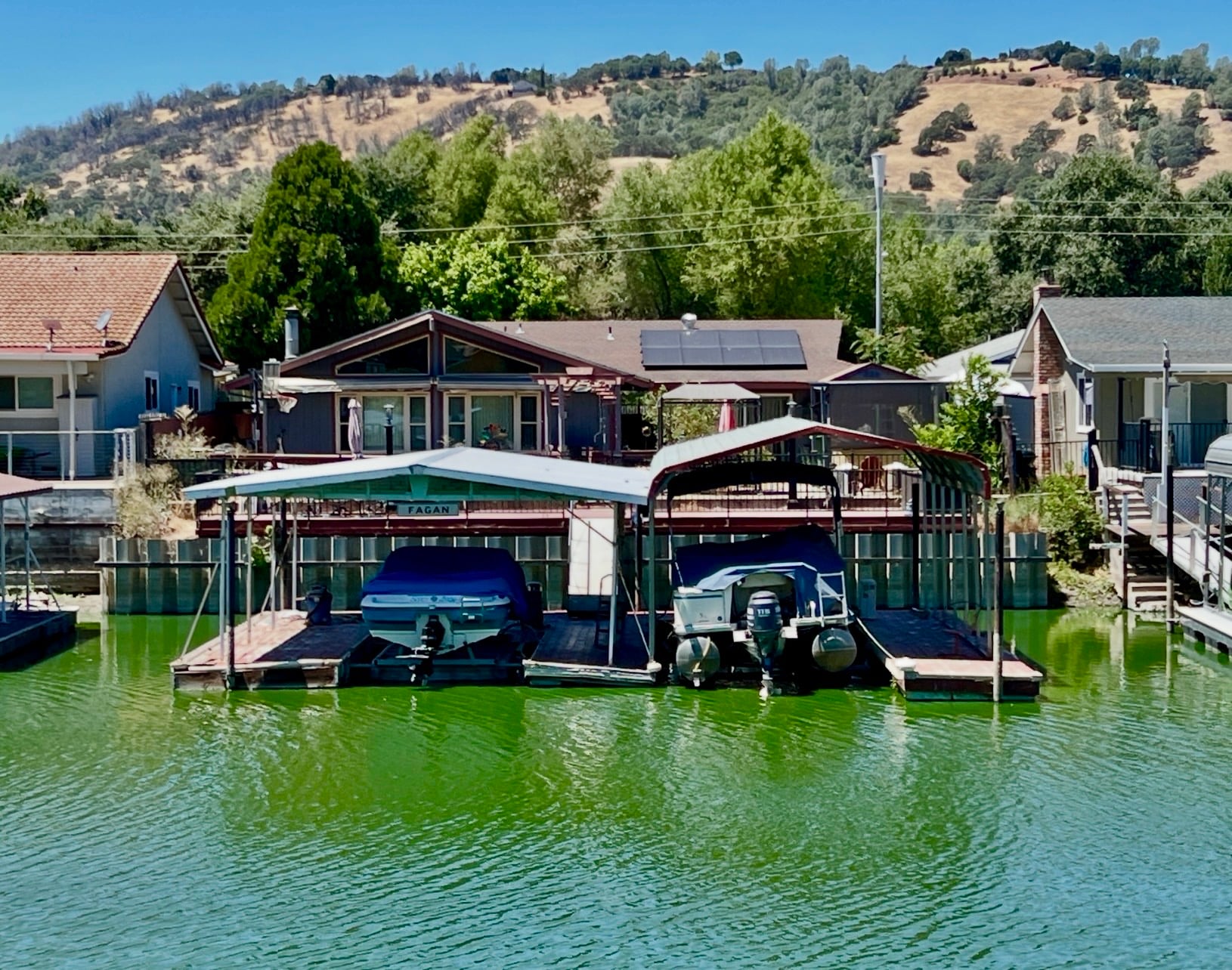
Pennsylvania Market Snapshot
Clean ranges for orientation — useful for Pennsylvania houses and real estate planning, not a brochure substitute for local advice.
Figures can vary by source and timing. Pennsylvania market pace also varies by region — including high-demand metros and fast-growing secondary markets.
Pennsylvania City Guides
Natural-path city pages for Pennsylvania houses, homes, and local market context — start here, then drill into counties and new construction. These city guides keep major Pennsylvania market links (Philadelphia, Pittsburgh, Allentown, Erie, Reading, Scranton, Bethlehem, Lancaster, and more) in one place.
All 450 Pennsylvania city guides on USAHouses.com — natural paths only.
Pennsylvania Counties
All 67 Pennsylvania counties — linked to existing USAHouses.com county pages when present.
All 67 Pennsylvania counties on USAHouses.com.
New Construction
Browse active new-construction communities across Pennsylvania — map and search open after a quick name + email access form. No large NewUSAHouses chrome iframe on load.

Live Pennsylvania community map opens after quick access
At a glance
Pennsylvania is multiple regional markets; values vary widely by metro. Pennsylvania has a state income tax — confirm brackets, property tax, insurance, and HOA locally.
12,986,518
$76,081
$240,500
$321,350
$1,162/mo
2.4%
Yes — confirm locally
Statewide figures are orientation only — confirm current local numbers before you act.
Pennsylvania Specialists
Tell us whether you want to buy, sell, pursue new construction, or invest — then share a city or metro when you can.
Local expert form loads when you are ready.
Pennsylvania Deep Dive
Long-form Pennsylvania houses & real estate guidance — then city links and FAQs.
Pennsylvania offers one of the most compelling value propositions on the entire East Coast — two world-class cities at prices a fraction of comparable coastal metros. Philadelphia, one of America’s great historic cities, anchors a sprawling suburban region that includes some of the best public school districts in the country along the Main Line while maintaining prices meaningfully below comparable New York or Boston suburbs. Carnegie Hill in Manhattan costs $2 million. A comparable home in Bryn Mawr costs $700,000. For buyers who can choose their location, this gap is remarkable.
Pittsburgh has transformed from the steel city of the 20th century into a 21st century tech and healthcare hub anchored by Carnegie Mellon University, the University of Pittsburgh, UPMC, and a growing cluster of robotics and AI companies. Pittsburgh consistently ranks among the most affordable major cities in the country for its quality of life — the combination of world-class universities, major healthcare employment, and revitalized neighborhoods at prices that seem almost implausible for a city of its caliber.
Whether you are looking to buy a home, sell a property, explore new construction, or find investment opportunities in Pennsylvania, this USA houses guide covers the market, the buying and selling process, closing customs, and what makes Pennsylvania distinctive for real estate.
Buyers and investors evaluating the Mid-Atlantic region will find a highly distinctive housing market here, offering two world-class metropolitan areas at prices dramatically lower than comparable East Coast cities. Philadelphia and Pittsburgh provide premier urban amenities, historical architecture, and major economic hubs without the crushing financial barrier to entry found in neighboring New York or New Jersey. Beyond the major metros, buyers are heavily drawn to the unique lifestyle offerings found in the peaceful, pastoral landscapes of Lancaster County’s Amish country, as well as the thriving four-season resort communities nestled in the Pocono Mountains.
The current market trend remains on a steady, rising trajectory, supported by an incredibly robust and diverse economic foundation. The state economy is heavily anchored by premier healthcare and financial services, alongside thriving education, defense, manufacturing, tourism, and agricultural sectors. Major institutional employers ensuring consistent workforce housing demand include UPMC, Penn Medicine, the University of Pennsylvania, Carnegie Mellon, Comcast, Lincoln Financial, PPL, Highmark, Jefferson Health, Amazon, and Google’s expanding regional campus. This massive corporate footprint helps insulate local property values from isolated industry downturns.
Cost of living across the Commonwealth is highly moderate, especially when compared to the broader East Coast. While the western suburbs of Philadelphia are admittedly expensive and highly exclusive, they still offer a significant discount compared to similar tier suburbs outside of Manhattan. Meanwhile, Pittsburgh continually ranks as offering one of the best combinations of urban amenities and housing affordability of any major U.S. city. Secondary markets such as Allentown, Erie, Reading, Scranton, Bethlehem, Harrisburg, York, State College, and Doylestown provide excellent alternatives with strong local economies at highly accessible price points.
Nicknamed the Keystone State due to its historically central role in the founding of the nation, this region features diverse geography that directly impacts homeownership and property maintenance. The landscape is famously characterized by the Appalachian Mountains, which cross diagonally through the center of the state, separating the flatter, fertile Piedmont region in the southeast near the capital of Harrisburg from the rugged western territories. The northwestern border touches the Lake Erie shoreline, while the eastern and western borders are defined by the massive Delaware and Ohio river systems.
This geographic diversity creates a humid continental climate that homeowners must actively prepare for. Residents experience four very distinct seasons, characterized by cold, snowy winters and warm, highly humid summers. The mountainous central regions and the northwestern Lake Erie corridor receive significant, heavy snowfall annually, while the southeastern corner tends to experience slightly milder winters but heavier summer humidity. These climate realities heavily influence how homes are built, insulated, and maintained across different counties.
When purchasing property here, seasonal weather patterns must dictate your home inspection and budgeting priorities. Homeowners must ensure their properties have robust, high-efficiency HVAC systems to handle both freezing winter nights and sweltering summer afternoons, making energy costs a significant factor in monthly budgets. Additionally, proximity to the major river systems or the steep Appalachian terrain means buyers must carefully evaluate their specific flood and storm risks, which can substantially influence mandatory property insurance premiums.
The regional housing landscape offers distinctly different markets depending on a buyer’s lifestyle preferences, budget, and career goals. The Philadelphia metropolitan area serves as the primary eastern economic engine, drawing professionals to its diverse neighborhoods and historic core. While city prices have stabilized, the highly affluent western suburbs remain competitive and expensive, though still offering better value than comparable New York metros. On the opposite side of the state, Pittsburgh is a massive draw for the tech and medical crowds, offering an unparalleled combination of world-class urban amenities, cultural institutions, and striking housing affordability.
For buyers seeking strong regional hubs outside the two massive metros, the Lehigh Valley growth corridor is booming. Cities like Allentown and Bethlehem have seen a massive resurgence, attracting logistics, manufacturing, and healthcare professionals who are priced out of the coastal cities. Similarly, the capital city of Harrisburg and the historic hub of Lancaster offer much more approachable entry points for first-time buyers and investors. Lancaster, in particular, commands strong pricing due to its unique blend of a revitalized downtown and its proximity to the famously peaceful, agricultural Amish country.
University-anchored cities and destination markets provide another unique segment characterized by consistent demand. State College revolves heavily around the massive economic engine of Penn State, creating a highly resilient local economy with constant rental demand. Meanwhile, markets like Scranton, Erie, York, and Doylestown offer distinct local flavors ranging from lakeside living to historic charm. Across all these cities, the overall market trend remains on a rising trajectory, fueled by a moderate cost of living that continues to attract out-of-state wealth.
The architectural styles and property types available across the Commonwealth are heavily dictated by centuries of history and diverse local geography. In the highly sought-after Main Line suburbs outside the eastern metro, buyers will find sprawling, historic stone colonials, grand Tudor estates, and luxury master-planned communities featuring strict HOAs. These neighborhoods prioritize expansive, manicured lots, top-tier school districts, and convenient commuter rail access, catering directly to affluent professionals and executives.
Moving westward into the central valleys and Lancaster County, the housing stock shifts dramatically toward rural and agricultural living. Here, buyers can explore beautifully restored historic farmhouses, sprawling equestrian estates, and properties with massive acreage nestled among the working farms of the Amish community. In contrast, the bustling university neighborhoods of State College and the revitalized tech-hubs of the Pittsburgh metro offer a dense mix of classic brick rowhomes, mid-century suburban ranches, and newly constructed modern townhomes designed for walkability.
In destination and growth markets, housing styles cater directly to the local environment and migrating workforces. The Pocono Mountains are defined by resort-style living, featuring classic A-frame cabins, modern lakefront retreats, and gated communities heavily geared toward vacationers and short-term rental investors. Meanwhile, the rapidly expanding Lehigh Valley corridor is dominated by large-scale new construction developments, offering modern, energy-efficient single-family homes on moderate lots designed to accommodate the influx of relocating families seeking affordability.
Navigating a real estate purchase in this Mid-Atlantic region follows a highly structured timeline that requires careful financial planning. The process begins with securing solid mortgage pre-approval and partnering with a licensed local buyer’s agent. Once you find the right property, your agent will draft a formal offer using the standardized state association forms. To demonstrate good faith, buyers are expected to provide an earnest money deposit—typically ranging from 1% to 2% of the total purchase price—which is held securely by the listing broker or a neutral title company until the transaction is finalized.
Unlike some southern states, this region does not utilize a paid “option period.” Instead, buyer protection is built directly into the contract through specific, time-sensitive inspection contingencies. Once an offer is accepted, the buyer has a negotiated window to conduct comprehensive property inspections. During this time, you can negotiate repairs, ask for financial credits, or walk away from the deal entirely and recover your earnest money if major structural or systemic issues are discovered that the seller refuses to address.
The entire closing process typically takes 30 to 45 days, depending on financing contingencies and appraisal timelines. This is fundamentally a title company and escrow state, meaning that licensed escrow officers generally handle the clearing of the title and the final loan documents. However, while hiring a real estate attorney is not technically required by law, it is highly common and strongly advisable in this specific state due to the highly complex, localized transfer tax rules that can significantly impact a buyer’s final cash-to-close requirements.
Real estate transactions here rely on highly standardized documentation to ensure fairness, transparency, and legal compliance. The vast majority of residential deals utilize the official standardized agreement of sale provided by the state’s Association of Realtors. This comprehensive contract builds in standard protections for both parties, heavily utilizing inspection contingencies, mortgage contingencies, and appraisal contingencies to ensure buyers are not forced to purchase a home with hidden defects or unforeseen valuation issues.
Seller transparency is strictly enforced by state law. Homeowners are legally required to complete a comprehensive Seller’s Property Disclosure Statement before accepting an offer. This exhaustive document forces the seller to disclose any known material defects, ranging from past basement flooding and unpermitted additions to ongoing boundary disputes or roof leaks. Standard inspection contingencies remain the cornerstone of local contracts, allowing buyers ample time to hire licensed professionals to verify the condition of the home.
The most critical localized custom that catches out-of-state buyers off guard is the transfer tax structure. Combined state and local transfer taxes are a massive closing cost item that must be precisely calculated for the specific municipality the home resides in, as rates can vary drastically across town lines. Because this is a title and escrow state, attorneys are rarely mandatory, but they are incredibly common and strongly recommended to help buyers navigate these complex local tax burdens and ensure the earnest money (typically 1-2%) is properly credited.
When budgeting for a property transaction in the Keystone State, understanding the breakdown of settlement fees is absolutely crucial, as they are higher than the national average. For buyers, total closing costs typically range from 3% to 5% of the final purchase price. These expenses generally cover loan origination fees, appraisal costs, escrow settlement charges, recording fees, and the upfront funding of property tax and homeowner’s insurance escrow accounts.
The primary reason buyer closing costs are elevated here is the significant transfer tax burden. The Commonwealth mandates a state realty transfer tax of 1% of the sale price. Furthermore, most local municipalities and school districts impose an additional local transfer tax of 1%. This means total combined transfer taxes in most locations equal 2% of the sale price. By custom, this is split 50/50 between the buyer and seller. For example, on a $285,000 purchase, the total transfer tax is $5,700, meaning the buyer must bring an extra $2,850 in cash to the closing table just for this specific tax.
Sellers bear a larger overall portion of the transaction expenses, usually totaling between 6% and 8% of the sale price. This percentage includes their half of the transfer tax, alongside the customary payment of the real estate brokerage commissions for both the listing agent and the buyer’s agent. Regarding title insurance, it is standard local custom for the buyer and seller to each pay for their respective policies and closing costs, though like all real estate terms, this is completely negotiable in practice.
Successfully listing a property in this rising market requires a highly strategic approach to pricing, preparation, and local tax knowledge. With typical homes currently averaging around 28 days on market, sellers cannot simply throw a sign in the yard; properties must be priced accurately based on recent neighborhood comparables to generate immediate momentum. Professional staging, high-quality photography, and addressing minor deferred maintenance before listing are absolutely critical steps to attract serious buyers and maximize your final net profit.
Marketing strategies must be heavily tailored to highlight the specific lifestyle advantages of your local area. Sellers in the competitive eastern suburbs must prioritize immaculate condition and presentation, as those affluent buyers are highly discerning. In the western tech-hubs, sellers should heavily emphasize neighborhood walkability, transit access, and proximity to major universities or hospitals. For those selling in the mountain resort regions, marketing must be strictly investment-focused, highlighting past rental income history and seasonal occupancy rates to attract cash-heavy investors.
During negotiations, sellers must be prepared for rigorous inspection requests and must deeply understand their financial obligations. It is critical for sellers to accurately calculate their exact net sheet prior to accepting an offer, specifically accounting for the mandatory transfer tax split (1% state plus the local municipal rate). Working closely with a seasoned local listing agent will ensure you navigate these regional negotiation norms smoothly, properly evaluate complex financing contingencies, and successfully close the sale.
Ready to Sell in Pennsylvania? Get connected with a licensed Pennsylvania listing agent who knows your local market. List Your Pennsylvania Home →
The new construction sector across the Commonwealth offers fantastic opportunities for buyers wanting modern amenities, open floor plans, and superior energy efficiency. National building powerhouses like NVR/Ryan Homes, Toll Brothers, Pulte, and D.R. Horton are highly active across the region. They are joined by premium regional developers like Keystone Custom Homes and Traditions of America, the latter of which dominates the highly popular 55+ active adult community sector. These builders offer everything from compact, eco-friendly townhomes to sprawling luxury estates.
Development activity is heavily concentrated in specific regional growth pockets. The eastern suburban counties, particularly Chester and Montgomery, see massive development catering to affluent commuters. The Lehigh Valley corridor is experiencing a massive boom in master-planned communities to support its rapidly growing workforce. In the west, the northern and southern suburbs surrounding the major tech hub are expanding rapidly. Additionally, the mountain resort regions have seen a massive surge in both primary home developments and lucrative second-home vacation builds.
When purchasing new builds, buyers must carefully navigate builder contracts, which differ significantly from standard resale agreements. It is critical to understand the timeline for completion, how premium lot fees are calculated, and what specific structural warranties are included. Because builders operate on their own proprietary contracts designed to protect their interests, buyers should absolutely utilize their own real estate agent to negotiate base-price upgrades, builder-paid closing cost incentives, and favorable timelines on their behalf.
Explore New Construction Homes in Pennsylvania →
The regional economy is powered by an incredibly robust and diverse mix of industries that consistently drive housing demand and attract new residents from across the country. Healthcare, higher education, and advanced technology serve as the primary economic engines, bolstered by massive, historical footprints in financial services, defense, manufacturing, agriculture, and tourism. This multifaceted economic base ensures that the local housing market remains highly insulated from severe national downturns, providing immense stability for property values.
Corporate employment and world-class healthcare networks act as massive gravitational pulls for highly educated professionals. The state is anchored by major institutional employers providing immense stability, including UPMC, Penn Medicine, the University of Pennsylvania, Carnegie Mellon, Highmark, and Jefferson Health. Beyond the medical and academic titans, the corporate landscape is dominated by heavyweights like Comcast, Lincoln Financial, PPL, Amazon, and Google’s massive engineering campus. This concentration of elite employers ensures a constant influx of well-compensated buyers entering the market.
Families and professionals choose to relocate here for a highly favorable blend of career opportunity and quality of life. The massive relocation draw lies in the ability to access world-class metropolitan amenities without the crippling housing costs associated with neighboring states like New York and New Jersey. While the cost of living in the affluent eastern suburbs is undeniably high, it remains significantly lower than comparable coastal markets. Meanwhile, the western tech hub continually attracts young professionals by offering one of the absolute best combinations of urban culture, dining, and housing affordability in the entire nation.
When newcomers arrive, they tend to cluster in several key destination cities depending on their specific lifestyle goals. The major metros capture the corporate, medical, and engineering workforces. Growth corridors like Allentown, Bethlehem, and Reading attract manufacturing and logistics professionals. For those seeking a quieter, more pastoral lifestyle, the famously peaceful communities of Lancaster County offer incredible agricultural charm. Finally, buyers seeking recreation and investment heavily target the four-season resort communities of the Pocono Mountains for vacation living.
The decision to put down roots in the Keystone State is almost always driven by its incredibly rich history, passionate sports culture, and stunning natural landscapes. The geography dictates the recreation: residents can spend their weekends hiking the legendary trails of the Appalachian Mountains, boating on Lake Erie, or skiing at world-class winter resorts in the Poconos. The state is an outdoor enthusiast’s paradise, boasting dozens of massive state parks, dense forestry, and legendary river systems perfectly suited for kayaking and fishing.
Beyond the natural wonders, the region offers a deeply ingrained cultural scene anchored by die-hard sports fandoms and elite academic institutions. Residents fiercely support their local professional teams across baseball, football, and hockey, creating a vibrant, community-focused weekend culture. Culturally, the state offers everything from the world-class museums and historic landmarks of the eastern metro to the cutting-edge robotics labs and revitalized industrial art districts of the west.
This incredible lifestyle is experienced across a humid continental climate that delivers four distinct, beautiful seasons. Whether buyers are drawn by the affordability of the major urban centers, the historical charm and fresh produce of Lancaster’s Amish country, or the rugged mountain lifestyle found in the resort regions, the Commonwealth offers a truly exceptional way of life at a fraction of the cost of its coastal neighbors.
Pennsylvania’s effective property tax rate averages around 1.53% with significant variation by municipality and school district. Philadelphia’s rates are among the highest in the state. Chester County and suburban Philadelphia rates are substantial but fund very high-performing school districts. Always research the school district millage rate for any property.
Pennsylvania averages an effective property tax rate of approximately 1.53%. On a $285,000 home, annual property taxes run roughly $4,361/year. Rates vary significantly by county and municipality — always research the specific parcel before making an offer.
Pennsylvania offers a Homestead Exclusion for owner-occupied primary residences that reduces assessed value by a county-established amount — typically $10,000-$25,000. Apply with your county assessment office after closing. Additional property tax relief is available through the PA Property Tax and Rent Rebate Program for qualifying seniors and disabled residents.
Pennsylvania has a flat state income tax rate of 3.07%. Municipalities also levy local earned income taxes varying from 1% to 3.93% — Philadelphia’s combined rate is 3.75%. Always calculate your specific combined state and local income tax rate.
Pennsylvania homeowners should carry adequate coverage for winter storm damage and ice dam formation on roofs particularly in the mountain communities. Pocono Mountains properties should verify adequate coverage for winter access challenges. Flooding along the Delaware, Susquehanna, and other rivers is significant — flood insurance is essential in designated zones.
If you are evaluating property in Pennsylvania from outside the United States, focus on financing options, legal requirements, property management, and long-distance ownership logistics.
For foreign nationals looking to invest in the United States, this specific Mid-Atlantic region offers an incredibly stable market backed by world-renowned industries. Global investors are frequently drawn to the area by the massive presence of international healthcare networks, elite universities, financial institutions, and advanced manufacturing sectors. Target areas for foreign capital usually include the high-end eastern suburbs, the booming western tech-hubs, and the lucrative short-term rental markets found in the mountain resort communities.
When purchasing property from overseas, securing financing requires specialized, expert guidance. Foreign buyers typically cannot utilize standard domestic mortgages and must instead rely on portfolio loans designed specifically for international investors, which often require significantly larger down payments (usually 30% or more). It is essential to partner with a highly experienced local real estate agent and a reputable title company equipped to handle remote closings, digital document notarization, and secure international wire transfers across different time zones.
Finally, international investors must plan heavily for the logistics of absentee ownership and strict federal tax laws. Hiring a professional, local property management company is highly recommended to handle tenant relations, winter maintenance, and municipal compliance. Furthermore, foreign sellers must be acutely aware of FIRPTA (Foreign Investment in Real Property Tax Act) regulations. When a foreign person eventually sells their U.S. real estate asset, the IRS legally requires the escrow company to withhold a significant percentage of the gross sale price to cover potential capital gains taxes.
📈 Two World-Class Cities at Fraction of Coastal Prices
Pennsylvania offers Philadelphia and Pittsburgh — both genuine world-class cities with major universities, research hospitals, professional sports, and cultural institutions — at home prices dramatically lower than comparable cities on the East Coast. This value gap is structural and persistent.
🏗️ Transfer Taxes: Budget 2% of Purchase Price
Pennsylvania’s combined state and local transfer taxes total approximately 2% of the sale price in most municipalities — split equally between buyer and seller. On a $285,000 purchase the buyer’s share is approximately $2,850. Always calculate the precise transfer tax for the specific municipality before finalizing your budget.
💼 Pittsburgh: Affordable Major City
Pittsburgh is consistently ranked among the most affordable major cities in the United States for its quality of life. Carnegie Mellon, University of Pittsburgh, UPMC, and a growing tech and robotics sector provide world-class employment stability. Neighborhoods like Shadyside, Squirrel Hill, and Lawrenceville offer urban character at prices no comparable East Coast city can match.
🏡 Philadelphia Main Line: Top Schools, East Coast Access
The Philadelphia Main Line suburbs — Bryn Mawr, Wayne, Haverford, Ardmore, and surrounding communities — offer top-ranked public schools, SEPTA commuter rail access to Center City, and a historic character that rivals anything on the East Coast at prices far below comparable Boston or New York suburbs.
⚠️ Pocono Mountains: Second Home and STR Market
The Pocono Mountains serve one of the largest second-home and vacation rental markets in the Northeast, accessible from New York City, Philadelphia, and New Jersey within 2 hours. Properties range from modest cabins to lakefront estates. Short-term rental income can be substantial but must be modeled carefully against carrying costs.
💡 Lancaster County: Amish Country Real Estate
Lancaster County offers a uniquely American real estate experience — pastoral farmland, Amish and Mennonite communities, covered bridges, and farm-to-table food culture. Lancaster city itself has experienced significant revitalization. Farm properties, rural acreage, and historic farmhouses attract lifestyle buyers seeking genuine agricultural character.
Pennsylvania offers strong value compared to its coastal neighbors. Philadelphia and Pittsburgh both offer world-class amenities at prices well below New York or Boston. Lancaster, the Lehigh Valley, and the Poconos offer distinct lifestyle and investment options. The main financial items to model carefully are transfer taxes and property taxes which vary significantly by municipality.
The statewide median is approximately $285,000. Philadelphia’s Main Line suburbs (Wayne, Haverford) average $650,000-$900,000. Philadelphia proper averages around $250,000. Pittsburgh averages $230,000. The Lehigh Valley averages $290,000-$320,000. The Poconos range from $180,000 for modest cabins to $450,000+ for newer construction. Lancaster averages $290,000.
Pennsylvania has a state realty transfer tax of 1% of sale price. Most municipalities and school districts impose an additional local transfer tax of 1% (some areas higher). Total combined transfer taxes in most PA locations are 2% of sale price — on a $285,000 purchase that means approximately $5,700 split between buyer and seller. Always calculate the precise local rate for the specific municipality.
Pennsylvania’s effective property tax rate averages around 1.53% with significant variation by municipality and school district. Always research the school district millage rate for any property — the same home in two different school districts can have annual tax differences of $2,000-$4,000+. The Homestead Exclusion reduces assessed value for owner-occupied primary residences — apply with your county assessment office after closing.
Pennsylvania does not technically require an attorney at closing though attorneys are commonly used and strongly advisable given the state’s complex transfer tax structure. Pittsburgh closings are typically handled by title companies. Philadelphia closings often involve attorneys. Given Pennsylvania’s 2% combined transfer tax and school district variations, professional guidance is advisable for any PA purchase.
Philadelphia offers multi-family investment particularly in neighborhoods undergoing revitalization. Pittsburgh’s rental market near CMU and Pitt is consistently strong. Lancaster and Reading offer improving fundamentals at accessible prices. The Pocono Mountains offer short-term rental returns though careful financial modeling is essential. Allentown has benefiting from Lehigh Valley growth.
If you enjoyed reading the guide to the Pennsylvania real estate market, you’ll also enjoy looking at more USA Houses guides. Check them out on our other state pages.
If you want help buying, selling, investing, or relocating in Pennsylvania, use the form below to connect with a licensed professional or referral partner.
Major Pennsylvania city guides for houses and local market context include Philadelphia, Pittsburgh, Allentown, Erie, Reading, Scranton, Bethlehem, Lancaster. Open a city or county page above when you are ready to go local.
Next steps
Use city guides above for local Pennsylvania houses context, the capture-first new-homes map for construction communities, or the USAHouses.com marketplace when you are ready to browse broader listing pathways.

303 verified new-home communities.
Organic
Toll Brothers · Doylestown, Pennsylvania · Bucks County
From $975,000. Price as last verified, subject to change / confirm with the builder.
Organic
Champion Homes · Morgantown, Pennsylvania
Price was not listed. Confirm the current price with the builder.
Organic
Skyline Homes · Morrisville, Pennsylvania · Bucks County
Price was not listed. Confirm the current price with the builder.
Organic
Champion Homes · Quakertown, Pennsylvania · Bucks County
Price was not listed. Confirm the current price with the builder.
Organic
Berks Homes · Hazleton, Pennsylvania · Luzerne County
Price was not listed. Confirm the current price with the builder.
Organic
S&A Homes · Duncansville, Pennsylvania
Price was not listed. Confirm the current price with the builder.
View all new communities in this place · Map
New-Home Communities · Master-Planned Communities · Builders · Homes for Sale
Organic results are labeled Organic. Sponsored placements are labeled Sponsored and sort first. Community details open on NewUSAHouses.com. Prices are subject to change / confirm with the builder.