New-home range
$200k–$425k+
Orientation for major South Carolina metros already covered on USAHouses.com — Charleston, Columbia, North Charleston, Mount Pleasant corridors vary.
South Carolina · Houses & Real Estate
Explore South Carolina houses, regional markets, new construction, and local expertise — start with city guides, counties, and verified statewide orientation.
South Carolina Market Snapshot
Clean ranges for orientation — useful for South Carolina houses and real estate planning, not a brochure substitute for local advice.
Figures can vary by source and timing. South Carolina market pace also varies by region — including high-demand metros and fast-growing secondary markets.
South Carolina City Guides
Natural-path city pages for South Carolina houses, homes, and local market context — start here, then drill into counties and new construction. These city guides keep major South Carolina market links (Charleston, Columbia, North Charleston, Mount Pleasant, Rock Hill, Greenville, Summerville, Sumter, and more) in one place.
All 155 South Carolina city guides on USAHouses.com — natural paths only.
South Carolina Counties
All 46 South Carolina counties — linked to existing USAHouses.com county pages when present.
All 46 South Carolina counties on USAHouses.com.
New Construction
Browse active new-construction communities across South Carolina — map and search open after a quick name + email access form. No large NewUSAHouses chrome iframe on load.

Live South Carolina community map opens after quick access
At a glance
South Carolina is multiple regional markets; values vary widely by metro. South Carolina has a state income tax — confirm brackets, property tax, insurance, and HOA locally.
5,212,774
$66,818
$236,700
$365,950
$1,126/mo
0.7%
Yes — confirm locally
Statewide figures are orientation only — confirm current local numbers before you act.
South Carolina Specialists
Tell us whether you want to buy, sell, pursue new construction, or invest — then share a city or metro when you can.
Local expert form loads when you are ready.
South Carolina Deep Dive
Long-form South Carolina houses & real estate guidance — then city links and FAQs.
South Carolina houses and real estate cluster around Charleston, Greenville–Spartanburg, Columbia, and Myrtle Beach / Grand Strand demand — each with different price ladders, flood and insurance profiles, and second-home mixes.
Use the snapshot and glance figures above for statewide orientation, then confirm locally before you treat any figure as a budget. Use USAHouses.com city and county guides to move into a specific South Carolina housing market.
Research is easiest by region: Lowcountry, Upstate, Midlands, and Grand Strand / Hilton Head leisure markets. If insurance quotes arrive high, revisit geography before revisiting furniture budgets.
| Population | 5,212,774 |
|---|---|
| Median household income | $66,818 |
| Median home value | $236,700 |
| Median gross rent | $1,126/mo |
| Median listing price | $365,950 |
| Recent price trend (approx.) | 0.7% |
| Counties | 46 |
| State income tax | Yes — graduated; confirm current DOR rates |
| Nickname | Palmetto State |
Statewide figures are orientation only — confirm current local numbers before you act.
Charleston’s historic core, surrounding suburbs, and nearby coastal islands differ sharply from Upstate manufacturing/tech corridors around Greenville and Spartanburg. Columbia anchors the Midlands; Myrtle Beach and Hilton Head area markets carry stronger second-home and tourism influence.
Active asking prices can run above long-run statewide value estimates — especially where coastal or new-construction product dominates listings. Coastal insurance costs can change affordability even when list prices look stable.
Association rental caps can erase short-term income assumptions overnight. Read CC&Rs before you underwrite a payment that depends on leases.
South Carolina’s Lowcountry, Pee Dee, Midlands, and Upstate regions bring different elevations, humidity, and storm exposure. Coastal and marsh-adjacent properties need careful flood-zone and wind-mitigation review.
Hurricane and tropical-storm risk is a practical insurance factor along the coast; inland thunderstorms and humidity still affect roofing and HVAC. Confirm elevation certificates and prior claims early when lenders or insurers request them.
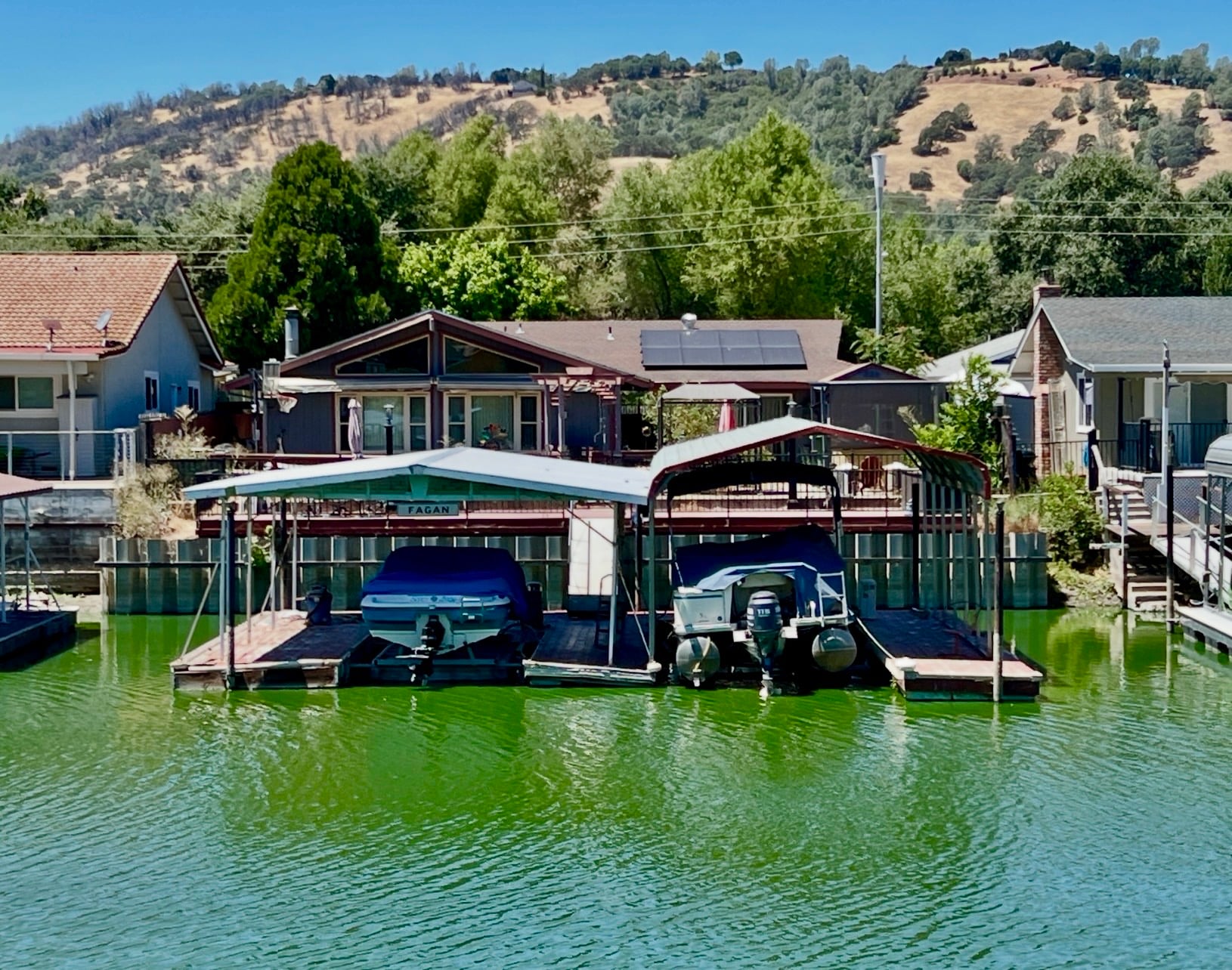
Marsh-front and deepwater properties introduce dock, bulkhead, and environmental rules that inland lots do not. Confirm what is permitted versus grandfathered.
Primary USAHouses.com guides include Charleston, Columbia, North Charleston, Mount Pleasant, Rock Hill, Greenville, Summerville, Sumter, Hilton Head Island, Spartanburg, Myrtle Beach, Florence.
Charleston, Columbia, North Charleston, Mount Pleasant, Rock Hill, Greenville, Summerville, Sumter, Hilton Head Island, Spartanburg, Myrtle Beach, Florence
Charleston and Mount Pleasant lead many coastal searches; North Charleston and Summerville expand the metro; Greenville and Spartanburg anchor the Upstate; Columbia serves the Midlands; Myrtle Beach and Hilton Head Island cover leisure-oriented coastal demand; Rock Hill connects toward the Charlotte metro shed; Florence serves the Pee Dee.
South Carolina has 46 counties on USAHouses.com — useful when comparing tax and school jurisdictions around Charleston or Greenville.
Stock includes historic Charleston single-houses and dependencies, suburban production homes, golf and resort communities, beach and marsh homes, Upstate subdivisions, and rural parcels.
HOA and POA governance is common in planned communities and coastal amenity developments. Short-term rental rules vary — confirm before assuming income.
New construction is active in growth corridors around Charleston, Greenville, and parts of the Grand Strand. Resale dominates historic districts and established suburbs.
South Carolina purchases typically involve offer, due diligence/inspections, financing, and closing. Attorney involvement in closings is common — confirm local custom with a licensed professional.
Inspections should address structure, roof, HVAC, WDO/termite, and, where relevant, septic, docks, flood exposure, and HOA rental rules. Insurance quotes belong before contingency removal on coastal product.
Build contingency time for flood insurance underwriting on coastal homes. USAHouses.com provides orientation only; licensed South Carolina professionals handle contracts and negotiation.
Standardized residential contracts and property condition disclosures are commonly used. Due-diligence timelines are negotiated — calendar them.
Closing attorneys often coordinate title and disbursement. Verify wire instructions by phone using known numbers.
Coastal properties may involve dock permits, beachfront regulations, or association architectural rules — read every addendum.
Budget for attorney/title fees, lender fees, recording costs, prepaid taxes and insurance, surveys when required, and association transfer fees. Allocation is negotiable.
Wind and flood escrows can raise cash to close substantially versus inland purchases. Refresh lender estimates after insurance binders arrive.
Price against local comps and prepare flood/insurance documentation buyers will request in coastal zones. Upstate sellers may compete more on condition and school attendance areas.
Confirm tax outcomes with a qualified professional.
Builders are active around Charleston’s expanding suburbs, the Upstate, and leisure markets. Compare incentives, completion timing, and HOA dues.
Use the New Homes section above for the NewUSAHouses.com new homes map pathway. Verify community claims on official builder sources. Ask about flood-zone designations for the specific lot, not the model center address.
Relocation themes include advanced manufacturing and automotive supply chains in the Upstate, port and tourism activity on the coast, military and government presence, healthcare, and retirees seeking milder winters.
Job campus location should drive suburb choice — Charleston and Greenville traffic patterns differ from postcard images.
Lifestyle range covers historic urban cores, beach and golf communities, Upstate outdoors near the Blue Ridge escarpment, and Midlands college/government life in Columbia.
Visit in peak heat/humidity and, for coastal homes, ask neighbors about storm prep and insurance experiences.
Ownership worksheets should include property tax, wind/flood insurance where applicable, HOA dues, and maintenance for humidity and storms.
Statewide orientation summaries often place South Carolina’s effective owner-occupied property-tax rate on the lower side nationally. Assessment ratios and local millage still control your bill — confirm with the county assessor.
South Carolina offers homestead-related relief programs for qualifying owner-occupants (including senior-oriented provisions that change with legislation). Confirm eligibility and filing with county and South Carolina Department of Revenue resources.
South Carolina has a graduated state individual income tax. Legislation can change rates and phase-down schedules — confirm the current table for your tax year on official DOR materials.
Coastal wind deductibles and flood policies can dominate monthly cost. Inland buyers still need quotes that reflect roof age and storm exposure. Do not waive insurance review.
International buyers should align passport documentation, funding timelines, and tax counsel with the closing attorney’s checklist. Coastal association rules may restrict rentals — read before assuming income offsets.
Pick a region first (Lowcountry, Upstate, Midlands, Grand Strand), then insurance feasibility, then property type. Statewide medians hide Charleston’s internal spread and beach-market seasonality.
Order research as region → insurance feasibility → city guide → parcel diligence. When you need community inventory, use the New Homes pathway on this page; when you need representation, use the local-expert path.
Use the snapshot and glance figures at the top of this page for orientation. Confirm with local comps.
They can be. Quote wind and flood coverage early and confirm association rules that affect claims or rebuilds.
Yes — a graduated individual income tax. Confirm current rates with the South Carolina Department of Revenue.
Many buyers start with Charleston, Greenville, Columbia, and Myrtle Beach guides, then expand to Mount Pleasant, Spartanburg, or Hilton Head Island as needed.
Starting points:
Nearby USAHouses.com state guides:
Major South Carolina city guides for houses and local market context include Charleston, Columbia, North Charleston, Mount Pleasant, Rock Hill, Greenville, Summerville, Sumter. Open a city or county page above when you are ready to go local.
Next steps
Use city guides above for local South Carolina houses context, the capture-first new-homes map for construction communities, or the USAHouses.com marketplace when you are ready to browse broader listing pathways.
