New-home range
$200k–$425k+
Orientation for major Wisconsin metros already covered on USAHouses.com — Milwaukee, Madison, Green Bay, Kenosha corridors vary.
Wisconsin · Houses & Real Estate
Explore Wisconsin houses, regional markets, new construction, and local expertise — start with city guides, counties, and verified statewide orientation.
Wisconsin Market Snapshot
Clean ranges for orientation — useful for Wisconsin houses and real estate planning, not a brochure substitute for local advice.
Figures can vary by source and timing. Wisconsin market pace also varies by region — including high-demand metros and fast-growing secondary markets.
Wisconsin City Guides
Natural-path city pages for Wisconsin houses, homes, and local market context — start here, then drill into counties and new construction. These city guides keep major Wisconsin market links (Milwaukee, Madison, Green Bay, Kenosha, Racine, Appleton, Waukesha, Eau Claire, and more) in one place.
All 204 Wisconsin city guides on USAHouses.com — natural paths only.
Wisconsin Counties
All 72 Wisconsin counties — linked to existing USAHouses.com county pages when present.
All 72 Wisconsin counties on USAHouses.com.
New Construction
Browse active new-construction communities across Wisconsin — map and search open after a quick name + email access form. No large NewUSAHouses chrome iframe on load.

Live Wisconsin community map opens after quick access
At a glance
Wisconsin is multiple regional markets; values vary widely by metro. Wisconsin has a state income tax — confirm brackets, property tax, insurance, and HOA locally.
5,892,023
$75,670
$247,400
$399,900
$1,045/mo
4.9%
Yes — confirm locally
Statewide figures are orientation only — confirm current local numbers before you act.
Wisconsin Specialists
Tell us whether you want to buy, sell, pursue new construction, or invest — then share a city or metro when you can.
Local expert form loads when you are ready.
Wisconsin Deep Dive
Long-form Wisconsin houses & real estate guidance — then city links and FAQs.
Wisconsin’s real estate market is anchored by two distinct stories. Madison, the state capital and home to the University of Wisconsin, has transformed into one of the premier mid-sized tech cities in the Midwest driven by Epic Systems — the dominant force in electronic health records whose campus in Verona employs over 10,000 people from around the world. The surrounding suburban communities of Middleton, Fitchburg, Sun Prairie, and DeForest have been among the most consistently active new construction markets in the Midwest.
Milwaukee offers a different proposition — a revitalized waterfront city with the Milwaukee Art Museum, Fiserv Forum (NBA Bucks), Summerfest (the world’s largest music festival), and a craft beer and restaurant scene that has earned national attention. The city’s proximity to Lake Michigan creates significant lifestyle value and its western suburbs (Waukesha, Brookfield) provide excellent schools and community infrastructure. Northern Wisconsin’s lake district — with thousands of lakes accessible from the Fox Cities, Milwaukee, and Madison — provides the quintessential Wisconsin cabin lifestyle that holds real estate value remarkably well.
Whether you are looking to buy a home, sell a property, explore new construction, or find investment opportunities in Wisconsin, this USA houses guide covers the market, the buying and selling process, closing customs, and what makes Wisconsin distinctive for real estate.
Wisconsin has emerged as a compelling opportunity for both homebuyers and investors seeking exceptional value and quality of life. Madison, in particular, has quietly become one of the nation’s top mid-sized cities, driven by the explosive growth of Epic Systems, one of the world’s largest healthcare software companies, combined with the cultural and educational influence of the University of Wisconsin.
This convergence has created a thriving ecosystem that attracts talented professionals while maintaining housing costs significantly below comparable coastal metropolitan areas. The city’s vibrant food scene, outdoor recreation opportunities, and strong community engagement make it increasingly attractive to those relocating from more expensive markets. Meanwhile, Milwaukee offers sophisticated urban amenities, historic architecture, and waterfront development at remarkably accessible price points, appealing to investors seeking undervalued real estate with strong appreciation potential.
The Wisconsin economy demonstrates remarkable diversity and resilience, extending well beyond Madison’s tech sector. Manufacturing remains a cornerstone, with established companies like Harley-Davidson, Johnson Controls, and Oshkosh Corporation providing stable employment and economic anchoring. The healthcare sector continues expanding through Advocate Aurora Health and other medical institutions, while the state’s agricultural and dairy industries maintain their longstanding importance.
Additionally, financial services companies like American Family Insurance and regional employers across Green Bay, Appleton, and other secondary cities create employment opportunities throughout the state, reducing dependence on any single metropolitan area or industry.
For investors, Wisconsin presents particularly attractive fundamentals. The state offers moderate housing costs relative to similar-sized metros, yet prices are rising as more people discover Madison’s exceptional quality of life. Milwaukee’s renaissance continues delivering strong returns for those positioning themselves in revitalized neighborhoods. Whether seeking primary residence affordability, rental income potential, or long-term appreciation, The Badger State delivers measurable returns without requiring the substantial capital investments demanded by coastal markets, making it an increasingly strategic destination for discerning investors.
Wisconsin’s geographic and climatic characteristics significantly influence housing decisions throughout the state. The Badger State experiences a humid continental climate with cold, snowy winters and warm, humid summers, creating distinct seasonal challenges for homeowners. The region’s thousands of inland lakes, Lake Michigan shoreline, and the scenic Driftless Area with its dramatic bluffs define the landscape, while fertile agricultural plains cover the center. Understanding these geographic features is essential when evaluating property investments and long-term housing costs.
Energy expenses represent a major consideration for Wisconsin residents due to extended heating seasons and heavy snowfall, particularly in areas near Lake Michigan where lake effect snow dramatically increases accumulation. Homeowners should expect substantial heating bills throughout winter months and should factor in robust HVAC system requirements, including both reliable furnaces and adequate insulation. Insurance costs tend to be higher in flood-prone areas near lakes and the Mississippi River, while properties in the Driftless Area’s bluff regions may face erosion and landslide risks.
The Milwaukee metropolitan area experiences especially severe winter conditions, necessitating snow removal preparations and reinforced roofing systems to handle heavy snow loads. Additionally, spring thaw season presents potential flooding concerns near inland lakes and river systems, making flood insurance a prudent investment for vulnerable properties.
Seasonal considerations fundamentally shape Wisconsin living. Summer months offer brief windows for outdoor enjoyment and maintenance projects, while falls provide spectacular scenery but require immediate preparation for winter. Prospective homebuyers should prioritize properties with quality weatherproofing, efficient heating systems, and adequate drainage infrastructure.
The state’s geography offers diverse living environments, from lakefront properties commanding premium prices to rural farmland offering affordability. Ultimately, successful housing decisions in The Badger State require careful assessment of local climate patterns, seasonal weather extremes, and geographic risk factors to ensure long-term comfort and financial stability.
Wisconsin’s real estate market presents diverse opportunities across its major metropolitan areas, each catering to different buyer demographics and investment profiles. Milwaukee, the state’s largest city, remains an exceptional value proposition for urban homebuyers seeking walkable neighborhoods and cultural amenities without the premium pricing found in coastal markets. The city’s strong historical architecture and revitalized downtown district attract both owner-occupants and investors, with median home prices significantly lower than comparable Midwestern metros.
Meanwhile, Madison has experienced notable appreciation driven by its thriving technology sector and presence of major employers like the University of Wisconsin. This university town attracts young professionals and families willing to pay premium prices relative to other Badger State markets, yet still maintaining affordability compared to national averages. Green Bay and Appleton round out the higher-priced tier for mid-sized communities, benefiting from strong employment bases and stable populations.
Secondary markets including Waukesha, Kenosha, Racine, Oshkosh, and Sheboygan offer compelling entry points for first-time buyers and value-conscious investors. These communities feature competitive pricing with strong appreciation potential as the overall state market continues its upward trajectory. Eau Claire, La Crosse, and Janesville represent Wisconsin’s most affordable tier, attracting budget-conscious buyers and investors seeking higher cash-on-cash returns despite slower appreciation rates.
Buyer types vary considerably, from young professionals in Madison to families seeking suburban stability in Waukesha and retirees gravitating toward established communities with lower costs of living. First-time homebuyers dominate The Badger State’s market across all regions, supported by the state’s moderate housing costs relative to comparable metropolitan areas.
The rising market trend across Wisconsin reflects strong demand fundamentals and limited inventory in most communities. This favorable sellers’ market has accelerated appreciation rates, particularly in employment centers like Madison and Milwaukee. However, Wisconsin’s overall affordability remains a defining characteristic, positioning the state as an attractive alternative for buyers priced out of higher-cost regions while offering investors solid fundamentals and growth potential.
Wisconsin’s residential real estate market reflects the state’s diverse geography and lifestyle preferences. Home buyers encounter a wide variety of property styles, from traditional Victorian homes in established neighborhoods to contemporary ranch-style houses that dominate suburban developments. Colonial and farmhouse styles remain popular throughout the state, while newer construction increasingly features open floor plans and energy-efficient designs suited to The Badger State’s cold climate. Typical lot sizes vary significantly by region, ranging from compact urban lots in Milwaukee and Madison to expansive properties in northern lake communities where privacy and natural surroundings are premium features.
The state’s housing market is characterized by distinct community types tailored to different lifestyles. Madison’s suburban family communities offer excellent schools and convenient access to amenities, while Milwaukee’s waterfront and lake suburb properties command premium prices due to their proximity to Lake Michigan. Northern Wisconsin’s lake cabin communities attract vacation home buyers seeking retreat properties, and the Fox Cities industrial corridor communities around Appleton and Oshkosh provide affordable family housing near employment centers. Door County’s resort properties cater to investors and seasonal residents seeking destinations along the scenic peninsula.
The Badger State’s unique geography shapes housing opportunities considerably. The Lake Michigan shoreline supports waterfront properties and beach communities, while thousands of inland lakes throughout the north create cottage and cabin markets. The Mississippi River’s western border and the scenic Driftless Area’s dramatic bluffs in the southwest offer distinctive rural and recreational properties. Meanwhile, the state’s fertile agricultural plains in the central region feature traditional farmland and rural estates, giving buyers abundant options across varied landscapes and community types.
The home buying process in Wisconsin begins with securing a buyer’s agent who guides you through each step while protecting your interests. Once you’ve found a property, obtaining mortgage pre-approval demonstrates your financial readiness and strengthens your offer. When making an offer, you’ll typically include an earnest money deposit of $1,000 to $3,000 or 1-2% of the purchase price, which is held by either the listing broker or title company as a good faith commitment. This deposit is credited toward your down payment at closing and shows the seller you’re serious about the purchase.
After your offer is accepted, the inspection period becomes crucial for protecting your investment. Unlike some states with formal option periods, Wisconsin buyers rely on inspection contingencies written directly into the purchase contract to negotiate repairs or credits if issues are discovered. Simultaneously, your lender will order an appraisal to ensure the property value supports the loan amount. The financing contingency protects you by allowing contract cancellation if the appraisal comes in lower than expected. The typical escrow period in Wisconsin ranges from 30 to 45 days, providing adequate time for all inspections and appraisals to be completed.
At closing, a title company or escrow agent handles the transaction rather than attorneys, which is standard practice for Wisconsin residential transactions. The closing professional ensures all documents are properly executed, funds are transferred, and the deed is recorded. This streamlined process allows for efficient closing timelines while ensuring all legal requirements are met. Understanding these Wisconsin-specific customs helps buyers navigate their purchase confidently and successfully.
Wisconsin’s real estate market operates under well-established customs and standardized practices that facilitate smooth property transactions. The Wisconsin REALTORS Association standard offer to purchase serves as the primary contract template used throughout the state, ensuring consistency and legal compliance across residential transactions. This standardized approach provides both buyers and sellers with familiar terms and conditions, reducing confusion and streamlining the negotiation process.
Additionally, sellers are required to complete a real estate condition report, which offers transparency regarding the property’s current status and any known defects. This disclosure requirement protects buyers by providing essential information before purchase, while inspection contingencies have become standard practice, allowing buyers to assess the property’s true condition and identify potential issues before finalizing their commitment.
Wisconsin’s transaction practices incorporate specific timelines for contingency removal, ensuring that both parties understand critical deadlines for inspections, appraisals, and financing approvals.
For lake properties, additional considerations come into play, including riparian rights and Department of Natural Resources shoreland regulations. These specialized disclosures are particularly important for waterfront purchases, as they affect property usage and future development possibilities. Sellers must clearly communicate these restrictions and rights to potential buyers during the disclosure process, ensuring full transparency regarding lakefront ownership implications.
The state operates as a title company and escrow state, meaning that licensed title companies typically handle closing procedures rather than real estate attorneys in residential transactions. Earnest money, typically ranging from one thousand to three thousand dollars or one to two percent of the purchase price, is customarily held by either the listing broker or title company. These established customs and regulations create a structured environment that protects all parties involved while maintaining consistency throughout Wisconsin’s residential real estate market.
Closing costs in Wisconsin represent a significant expense for both buyers and sellers in real estate transactions. Buyers typically expect to pay between two and four percent of the purchase price, while sellers should budget for six to eight percent of the sale price, which includes real estate commission. Understanding these costs helps parties prepare financially and avoid surprises at the closing table. The specific amount varies based on the property price, local market conditions, and individual transaction details.
Wisconsin imposes a state real estate transfer tax that applies to most property transactions. The tax rate is $3 per $1,000 of the property’s value, equating to 0.30 percent of the purchase price. For example, on a $295,000 home sale, the transfer tax would be approximately $885. This tax is a standard closing cost that both buyers and sellers should anticipate when budgeting for their transaction. It is typically collected at closing and varies proportionally with the purchase price.
Title insurance represents another important closing cost consideration in Wisconsin. Unlike many states with standardized practices, Wisconsin allows flexibility in determining who pays for owner’s title insurance. In the Madison metropolitan area, local conventions vary, with some transactions following buyer-pays customs while others adhere to seller-pays practices.
Because these arrangements are negotiable, prospective buyers and sellers should consult with their real estate agent to understand the prevailing local conventions in their specific area and negotiate terms accordingly.
Selling a home in Wisconsin requires a strategic approach tailored to the state’s current market conditions. With the market experiencing upward momentum, sellers find themselves in a favorable position. Pricing strategy should reflect this growth trajectory while remaining competitive within your specific market segment. In Madison, properties benefit significantly from proximity to Epic Systems, a major employer that attracts skilled professionals seeking convenient locations. Milwaukee sellers should capitalize on neighborhood character and waterfront proximity to maximize appeal. Professional staging and photography have become standard expectations across the Madison metropolitan area, particularly among discerning buyers who conduct extensive online research before viewing properties.
The listing process in Wisconsin typically involves positioning your home to stand out in a market where buyers have options. With an average of 28 days on the market, timing and presentation are critical factors for success. Quality listing descriptions and high-resolution photography create strong first impressions that translate into showings and offers. Staging professionals can highlight your home’s best features and help buyers envision themselves in the space, which is especially valuable in Wisconsin’s competitive metros.
Negotiation norms in Wisconsin real estate generally reflect professionalism and respect for market value. As a seller in this rising market, you’re in a position to negotiate favorable terms. Understanding your local market dynamics, whether in Madison or Milwaukee, allows you to make informed decisions about offers and counteroffers. Working with an experienced local real estate agent ensures you navigate these negotiations effectively while maximizing your home’s selling potential.
Ready to Sell in Wisconsin? Get connected with a licensed Wisconsin listing agent who knows your local market. List Your Wisconsin Home →
Wisconsin’s new construction market is experiencing robust growth, driven by strong demand in key metropolitan areas. The Madison region is witnessing significant expansion in communities like Middleton, Fitchburg, Sun Prairie, and DeForest, fueled by the area’s thriving tech sector and population growth. Meanwhile, Milwaukee’s western suburbs, including Waukesha, Brookfield, and Menomonee Falls, alongside Kenosha County developments, remain highly active. Northern Wisconsin’s lake communities and Door County resort properties continue attracting buyers seeking lifestyle-focused investments. Additionally, the Fox Cities area around Appleton and Oshkosh is experiencing renewed development tied to the region’s industrial corridor growth.
Major national builders like D.R. Horton and Pulte operate extensively throughout Wisconsin, while regional developers Tim O’Brien Homes and Veridian Homes have established strong market presence with community-specific expertise. The diversity of community types caters to various buyer preferences, from suburban family neighborhoods in Madison’s outskirts to sophisticated waterfront and lake-oriented developments near Milwaukee. Each region offers distinct advantages, whether convenient urban access or recreational amenities.
Prospective buyers should carefully review new construction contracts, understanding upgrade pricing, lot premiums, and construction timelines before committing. Warranties vary by builder, typically including structural coverage and mechanical systems protection. It is essential to clarify payment schedules, selection deadlines, and potential delay contingencies.
Working with a real estate professional experienced in new construction ensures buyers navigate these complex agreements effectively and maximize their investment value throughout the building process and beyond.
Explore New Construction Homes in Wisconsin →
Wisconsin’s robust economy is anchored by major employers and industries that consistently drive housing demand across the state. Epic Systems, headquartered in Madison, stands as a global leader in healthcare technology with thousands of employees, attracting young professionals seeking tech careers in a thriving innovation hub. The University of Wisconsin system, particularly the flagship Madison campus, generates sustained demand through faculty, staff, and graduate student populations.
Manufacturing remains a cornerstone of Wisconsin’s economy, with Oshkosh Corporation dominating the commercial vehicle sector, while Kimberly-Clark produces consumer goods and employs thousands throughout the state. Johnson Controls, a global leader in building technologies, maintains significant operations in the Milwaukee area.
Additionally, Harley-Davidson’s iconic presence in Milwaukee continues to draw interest and employment opportunities, while the dairy and agricultural sector remains fundamental to rural communities and regional identity. Healthcare employers like Advocate Aurora Health provide stability and growth, and American Family Insurance adds significant employment in the financial services sector.
Families and professionals choose to relocate to Wisconsin for compelling lifestyle and employment reasons. Madison’s combination of university prestige and emerging tech economy attracts knowledge workers, while Milwaukee’s revitalized waterfront districts offer urban sophistication at accessible prices. Northern Wisconsin’s lake lifestyle appeals to those seeking outdoor recreation and natural beauty, and the state’s rich dairy and agricultural heritage resonates with those valuing authentic community character.
The Midwest generally offers exceptional value, and Wisconsin specifically provides below-average home prices compared to similar-sized metropolitan areas.
Cost of living represents a primary relocation driver. Madison has appreciated due to tech sector growth but remains substantially below coastal tech hubs, while Milwaukee delivers excellent urban amenities at remarkably accessible price points. Other thriving communities including Green Bay, Appleton, Eau Claire, and La Crosse offer similar advantages with even greater affordability.
Wisconsin’s combination of stable employment across diverse industries, affordable housing, and exceptional quality of life makes it increasingly attractive to relocating families and professionals seeking both economic opportunity and genuine community value throughout the state’s dynamic regions.
Wisconsin has emerged as an increasingly attractive destination for professionals seeking quality of life without the premium price tags of coastal metropolitan areas. Madison stands out as a particularly compelling option, driven by major employment anchors like Epic Systems, one of the nation’s largest healthcare software companies, combined with the University of Wisconsin’s cultural and intellectual presence.
The city offers a vibrant food scene, craft breweries, and extensive outdoor recreation opportunities that rival much more expensive markets. Residents enjoy access to the stunning Madison lakes, including Lake Mendota and Lake Monona, which provide year-round recreational activities from summer swimming and kayaking to winter ice fishing. The University of Wisconsin campus itself serves as a cultural hub, hosting performances, sporting events, and educational opportunities that enhance community life. For sports enthusiasts, Wisconsin provides passionate fanbases for the Green Bay Packers NFL team and the Milwaukee Brewers MLB team, both deeply woven into the state’s identity.
The natural landscape profoundly influences where people choose to settle throughout Wisconsin. Devil’s Lake State Park near Baraboo showcases dramatic quartzite cliffs and pristine waters, attracting outdoor enthusiasts for hiking, rock climbing, and swimming. The state’s humid continental climate features cold, snowy winters and warm summers, with significant lake effect snow near Lake Michigan in the Milwaukee area, considerations that matter to those prioritizing winter sports or mild weather preferences. Milwaukee itself offers cultural amenities including world-class museums, the lakefront discovery center, and historic neighborhoods, making it attractive to those seeking urban sophistication.
These lifestyle factors—employment opportunities, educational institutions, recreational access, and sports culture—collectively shape relocation decisions across Wisconsin. Professionals weighing where to establish roots often find that Madison and Milwaukee offer the best balance of career prospects, cultural richness, outdoor recreation, and affordability compared to major coastal cities, making Wisconsin an increasingly strategic choice for quality living.
Wisconsin’s effective property tax rate averages around 1.61% — above the national average. On a $295,000 home annual taxes run roughly $4,750. Rates vary significantly by municipality. The Lottery and Gaming Credit reduces property taxes modestly for owner-occupied primary residences.
Wisconsin averages an effective property tax rate of approximately 1.61%. On a $295,000 home, annual property taxes run roughly $4,750/year. Rates vary significantly by county and municipality — always research the specific parcel before making an offer.
Wisconsin’s Lottery and Gaming Credit provides a modest property tax reduction for owner-occupied primary residences based on school levy taxes. The credit amount varies. There is no traditional homestead exemption for all owner-occupants in Wisconsin. Additional exemptions are available for veterans and seniors.
Wisconsin has a graduated state income tax with rates from 3.54% to 7.65%. Wisconsin taxes most retirement income. It is one of the higher-income-tax states in the Midwest. Combined with above-average property taxes Wisconsin has a meaningful overall tax burden.
Wisconsin homeowners should carry comprehensive wind coverage for tornado risk particularly in the southern and central parts of the state. Lake property owners need to verify dock permits and DNR shoreland compliance. Northern Wisconsin properties should have coverage for heavy snow loads. Basement flooding is common in many Milwaukee and Madison suburbs during heavy rain.
If you are evaluating property in Wisconsin from outside the United States, focus on financing options, legal requirements, property management, and long-distance ownership logistics.
Foreign investors purchasing property in Wisconsin must understand FIRPTA (Foreign Investment in Real Property Tax Act) withholding requirements, which mandate that buyers withhold fifteen percent of the purchase price when acquiring U.S. real estate from non-citizen sellers. This federal requirement protects tax revenue and applies regardless of the property’s location within Wisconsin’s major markets like Milwaukee, Madison, or Green Bay. Additionally, foreign nationals should be aware that Wisconsin imposes its own property transfer tax, typically ranging from zero to one point one percent depending on the municipality.
Working with experienced local agents and title companies familiar with international transactions is essential, as they can guide buyers through compliance requirements and remote transaction processes.
Financing options for foreign buyers in Wisconsin differ significantly from those available to U.S. citizens. Traditional mortgage lenders often require substantial down payments, typically twenty-five to fifty percent, though portfolio loans from certain banks offer more flexible terms.
Wisconsin’s growing industries—including healthcare technology in Madison, manufacturing throughout the Fox Valley, and dairy operations in rural regions—attract international workers seeking investment properties. Many foreign nationals find success working with specialized lenders who understand their unique financial situations and documentation requirements.
For absentee owners, establishing reliable property management is crucial when purchasing Wisconsin real estate in cities like Milwaukee, Kenosha, or Eau Claire. Professional property managers handle tenant relations, maintenance coordination, and rent collection, allowing international investors to manage their holdings remotely.
Wisconsin’s strong rental markets, particularly near educational institutions and major employers, support successful long-distance ownership. Selecting reputable local companies ensures compliance with Wisconsin landlord-tenant laws while protecting your investment.
📈 Epic Systems: Madison’s Tech Giant
Epic Systems is the world’s largest electronic health records company and Madison’s dominant private employer with over 10,000 employees from around the world. Epic drives consistent housing demand in Verona, Middleton, and western Madison suburbs. The company’s unique hiring culture brings a highly educated international workforce that supports a competitive suburban real estate market.
🏗️ Above-Average Property Taxes
Wisconsin’s effective property tax rate of approximately 1.61% is above the national average. On a $295,000 home annual taxes run roughly $4,750. Rates vary significantly by municipality — always research the specific property’s actual tax bill. The Lottery and Gaming Credit provides a modest reduction for primary residents.
💼 Lake Property: Wisconsin’s Cultural Institution
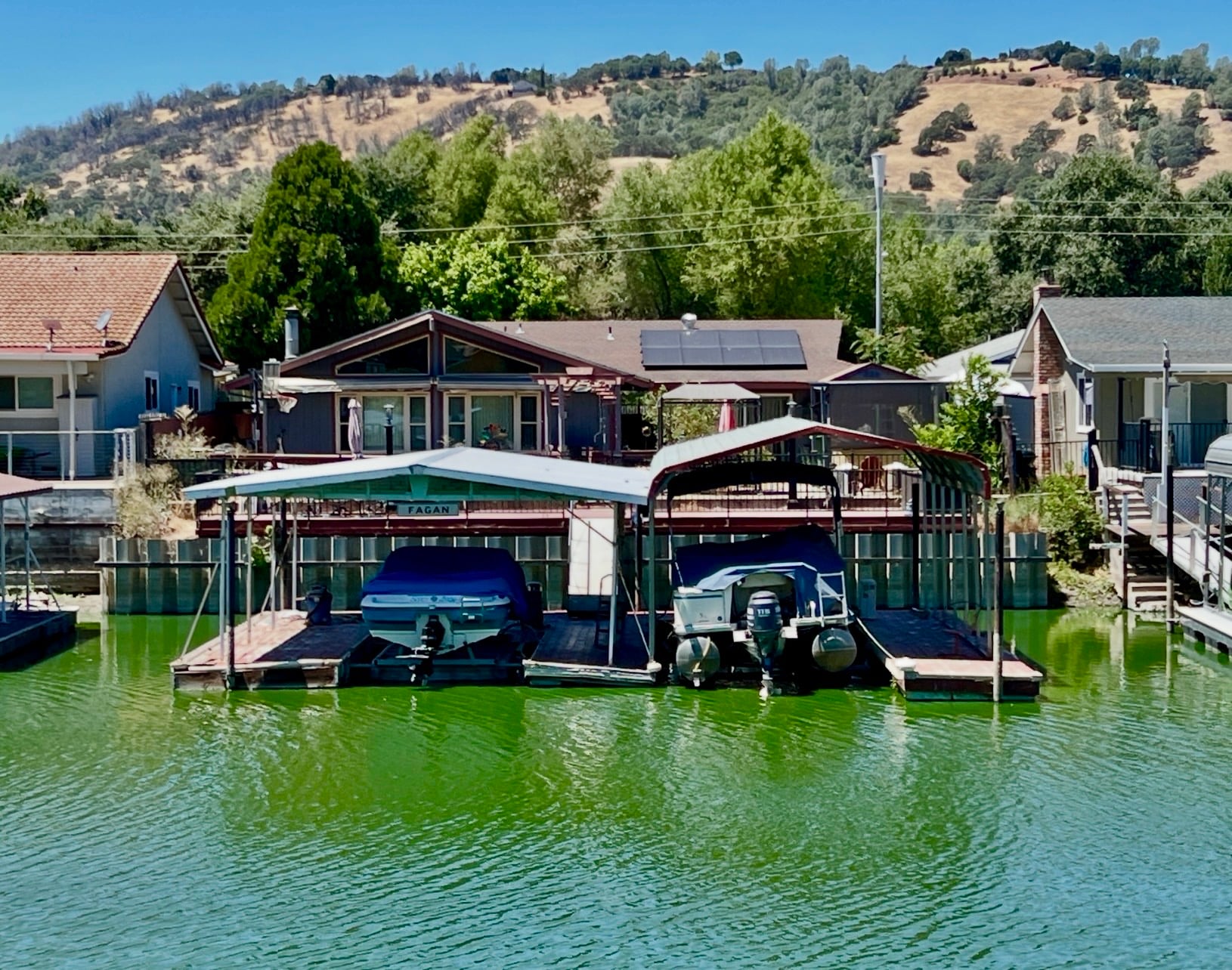
Lake cabin and waterfront properties are a beloved Wisconsin institution. The state has thousands of inland lakes and consistent demand for waterfront access. DNR shoreland regulations govern setbacks, dock permits, and impervious surfaces. Riparian rights and lake association membership are key due diligence items for any Wisconsin lake purchase.
🏡 Milwaukee: Affordable Major City
Milwaukee offers major city amenities — the Bucks NBA franchise, Summerfest, the Milwaukee Art Museum, major league baseball — at home prices that make it one of the most affordable major cities in the Midwest. The eastern lakefront suburbs and neighborhoods like Bay View and Walker’s Point offer excellent urban character.
⚠️ Door County: Wisconsin’s Resort Market
Door County, the peninsula between Green Bay and Lake Michigan, is one of the Midwest’s premier resort and second-home markets. Cherry orchards, lighthouses, and charming villages attract buyers from Chicago, Milwaukee, and Madison. Egg Harbor, Fish Creek, and Sister Bay command premiums for their waterfront access and resort character.
💡 Fox Cities: Affordable Mid-Market
Appleton, Oshkosh, and the Fox Cities corridor offer solid Midwest affordability with manufacturing and healthcare employment anchors. Entry prices remain well below the state median and cash flow fundamentals are strong for investors. The area often flies under the radar compared to Madison and Milwaukee.
Wisconsin offers excellent value anchored by Madison’s tech economy and Milwaukee’s revitalization. Epic Systems continues to drive relentless housing demand in Dane County. The broader state offers diverse lifestyle options from lakefront cabins to urban condos. Property taxes are above average and should be carefully modeled into total ownership costs.
The statewide median is approximately $295,000. Madison averages $390,000-$430,000. Middleton and Verona (Epic corridor) average $450,000-$520,000. Milwaukee proper averages $220,000. Waukesha County averages $340,000-$400,000. Northern Wisconsin lakefront properties range from $250,000 for modest cabins to $1M+ for premium lake homes.
Wisconsin lake properties are subject to DNR shoreland regulations governing setbacks, impervious surfaces, and dock permits. Riparian rights and lake frontage are key value drivers. Well and septic systems are common in rural lake areas. Northern Wisconsin properties can be seasonal or year-round — verify winterization adequacy for year-round use. Lake association membership, dues, and rules are worth reviewing before purchasing.
Wisconsin’s effective property tax rate averages around 1.61% — above the national average. On a $295,000 home annual taxes run roughly $4,750. Rates vary significantly by municipality and school district. The Lottery and Gaming Credit provides a modest reduction for primary residents. Always research the specific property’s tax bill — Madison city rates differ from suburban rates in the same county.
Madison combines a thriving university environment (UW-Madison), Epic Systems as a dominant private employer, a nationally recognized food and craft beer scene, and extensive trail and lake access within a mid-sized city that consistently ranks among the best places to live in the country — all at prices well below comparable coastal cities. The demand for housing near Epic’s Verona campus has been particularly consistent.
Madison offers strong long-term rental fundamentals with demand from UW students, faculty, and Epic employees. Epic’s international employee base creates consistent demand for quality rentals near the Verona campus. Milwaukee’s near-east side and Bay View neighborhoods offer improving fundamentals at lower entry prices. Northern Wisconsin lake properties offer summer vacation rental income. The Fox Cities offer high cash flow at low entry prices.
If you enjoyed reading the guide to the Wisconsin real estate market, you’ll also enjoy looking at more USA Houses guides. Check them out on our other state pages.
If you want help buying, selling, investing, or relocating in Wisconsin, use the form below to connect with a licensed professional or referral partner.
Major Wisconsin city guides for houses and local market context include Milwaukee, Madison, Green Bay, Kenosha, Racine, Appleton, Waukesha, Eau Claire. Open a city or county page above when you are ready to go local.
Next steps
Use city guides above for local Wisconsin houses context, the capture-first new-homes map for construction communities, or the USAHouses.com marketplace when you are ready to browse broader listing pathways.

74 verified new-home communities.
Organic
Veridian Homes · Madison, Wisconsin · Dane County
Price was not listed. Confirm the current price with the builder.
Organic
Veridian Homes · Madison, Wisconsin · Dane County
Price was not listed. Confirm the current price with the builder.
Organic
Veridian Homes · Milwaukee, Wisconsin · Milwaukee County
Price was not listed. Confirm the current price with the builder.
Organic
Tim O'Brien Homes · Oregon, Wisconsin · Dane County
Price was not listed. Confirm the current price with the builder.
Organic
Tim O'Brien Homes · Madison, Wisconsin · Dane County
Price was not listed. Confirm the current price with the builder.
Organic
Tim O'Brien Homes · Deforest, Wisconsin · Dane County
Price was not listed. Confirm the current price with the builder.
View all new communities in this place · Map
New-Home Communities · Master-Planned Communities · Builders · Homes for Sale
Organic results are labeled Organic. Sponsored placements are labeled Sponsored and sort first. Community details open on NewUSAHouses.com. Prices are subject to change / confirm with the builder.