Pittsburgh Real Estate & New Homes | USAHouses.com
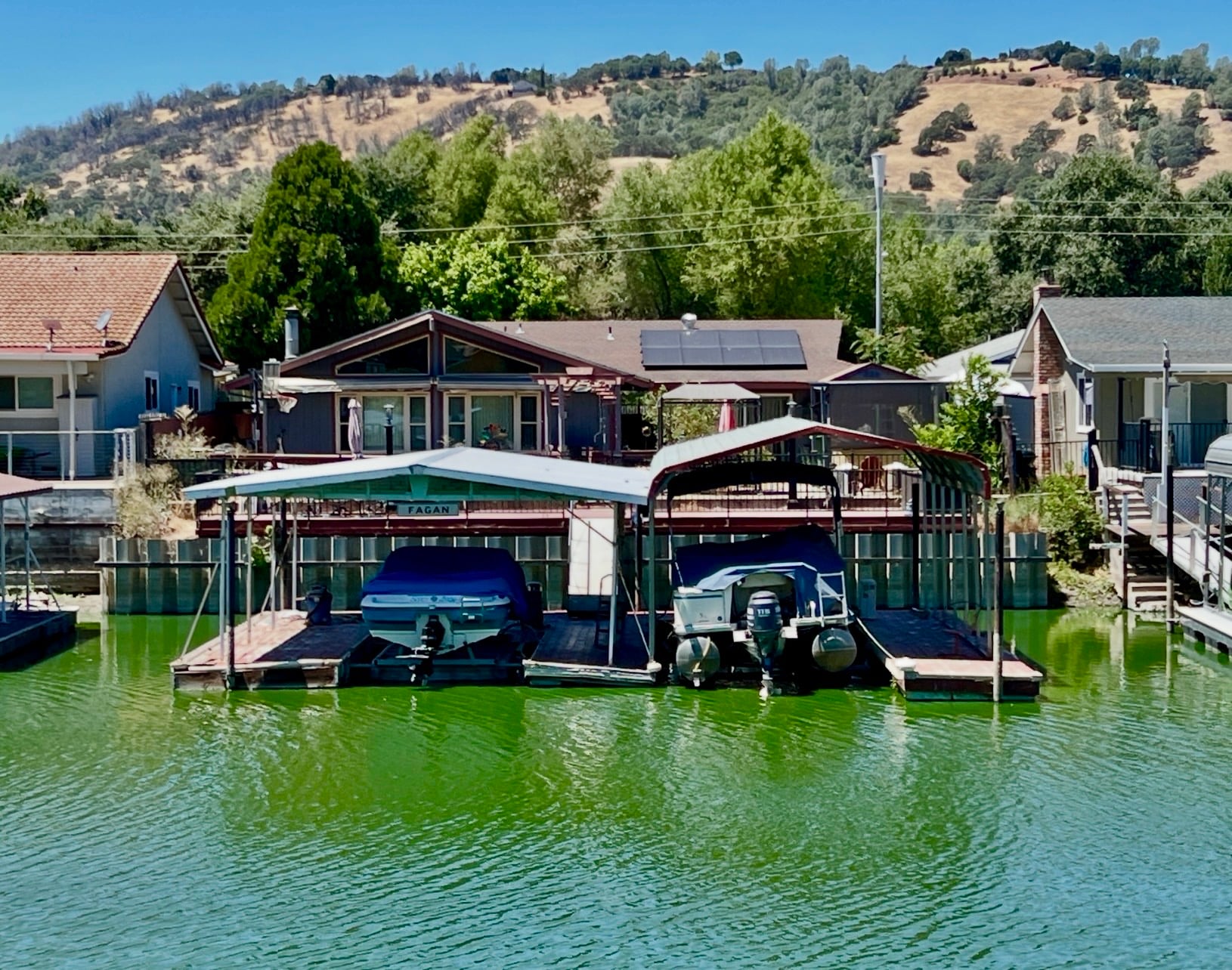
Pittsburgh real estate offers buyers and investors one of the most compelling housing markets in Pennsylvania, with Healthcare and education and technology sector growth and historic neighborhoods and affordability driving consistent demand for homes in the region. Whether you are searching for Pittsburgh homes for sale, exploring new homes in Pittsburgh, or researching the Pittsburgh housing market before relocating, this complete guide covers everything you need to know about buying, selling, and investing in Pittsburgh real estate in 2026.
Pittsburgh Housing Market Overview
| Pittsburgh Market Data | Current Figures |
|---|---|
| Median Home Price | $235,000 |
| Median Monthly Rent | $1,200 |
| Market Trend | Stable |
| New Homes Activity | Moderate |
| Migration Trend | Low Inbound |
| Cost of Living Index | 95 |
| Climate | Humid Continental |
| Investor Rating | Medium |
| Good for First-Time Buyers | Yes |
| Primary County | Allegheny and Westmoreland |
*Market data represents 2026 estimates and is subject to change. USAHouses.com does not guarantee future appreciation or rental yields. Tax and financial implications should be verified with a licensed CPA or financial advisor.
If you are exploring the Pittsburgh real estate market in 2026, you will find a landscape that remains relatively stable and accessible compared to many other major metropolitan areas. The Pittsburgh housing market has maintained a median home price of around $235,000, which positions it as one of the more attainable options for buyers seeking value without sacrificing urban amenities. Whether you are a first-time buyer or a seasoned investor, current market conditions suggest a balanced environment where your purchasing power can stretch meaningfully.
Pittsburgh’s cost of living index sits at approximately 95, meaning your everyday expenses run slightly below the national average, which adds to the overall affordability picture when you factor in housing costs. This economic backdrop makes Pittsburgh homes for sale particularly attractive for buyers who want to maximize their long-term financial stability. When you combine reasonable home prices with lower day-to-day costs, the city presents a compelling case for those evaluating where to plant roots.
Migration trends into the Pittsburgh area are currently running low, which reflects a market where demand is measured and competition among buyers is less intense than in high-growth metros. This dynamic works in your favor if you are actively searching, as you are less likely to face aggressive bidding wars that can push prices well above asking. You may find that sellers are more willing to negotiate on terms and price, giving you greater flexibility throughout the buying process.
Despite modest inbound migration, local demand continues to sustain activity in the Pittsburgh housing market, driven by residents relocating within the region, young professionals entering the workforce, and buyers attracted to the city’s growing tech and healthcare sectors. If you are considering Pittsburgh real estate in 2026, the combination of below-average living costs, accessible home prices, and a steadily evolving economy creates a window of opportunity worth exploring. Your investment in this market carries the potential for long-term appreciation as the city continues to develop its economic foundation and attract new industries.
Top Cities and Communities in Pittsburgh
The Pittsburgh metro area includes some of Pennsylvania’s most sought-after communities for homebuyers and investors. Key cities and neighborhoods in the Pittsburgh real estate market include Pittsburgh and Oakland and Lawrenceville and Shadyside and Squirrel Hill, each offering distinct character, school options, price points, and lifestyle amenities.
Premier Family Suburbs
If schools and safety are your top priorities, these suburbs consistently lead the regional rankings for 2026:
- Mt. Lebanon: Often called the “California of the East Coast,” it features a highly walkable business district (Washington Road) and one of the state’s top-rated school districts. It has a distinctive “urban-suburban” feel with beautiful stone and brick homes.
- Upper St. Clair: A slightly more spacious, estate-style neighbor to Mt. Lebanon, known for large lots and elite academic performance.
- Fox Chapel: The go-to for legacy luxury. It offers massive wooded lots (often 3+ acres) and is home to a top-5 school district in Pennsylvania while being just 20 minutes from Downtown.
- Cranberry Township: Located north in Butler County, this is the region’s growth engine. It offers the most new construction, lower taxes, and a massive retail/dining corridor.
Emerging & High-Value Neighborhoods
For buyers looking for value or a specific “vibe” that hasn’t fully peaked yet:
- Beechview: One of the most affordable options ($100k–$150k range) with direct access to the “T” (light rail system), making it a favorite for commuters who want a yard without the suburban price tag.
- Highland Park: A quieter alternative to Shadyside. It’s centered around a massive park and the Pittsburgh Zoo, featuring stunning Victorian and Tudor-style architecture.
- Regent Square: A unique neighborhood that spans four different municipalities. It borders Frick Park and has a “small-town” main street feel with independent theaters and cafes.
- Brighton Heights: Located on the North Side, this area is gaining traction for its historic Craftsman and Foursquare homes that remain significantly cheaper than those in the East End.
Comparison of Top Suburbs (2026 Estimates)
| Community | Median Home Price | School Rating | Commute to Downtown |
| Mt. Lebanon | $415,000 | A+ | 14 min |
| Bethel Park | $315,000 | A | 22 min |
| Pine Township | $615,000 | A+ | 28 min |
| Murrysville | $345,000 | A | 30 min |
Pro-Tip for Relocating
When choosing a community, pay close attention to “the tunnels.” Pittsburgh’s geography means your commute can double if you have to go through the Fort Pitt or Liberty Tunnels during rush hour. Communities like Aspinwall or Oakmont are popular because they avoid these major chokepoints while still offering high-end schools and walkable villages.
Pittsburgh Neighborhoods and Suburbs
Buyers searching for homes in Pittsburgh will find distinct neighborhoods across Allegheny and Westmoreland county including Strip District and Lawrenceville and Shadyside and Oakland and Squirrel Hill. Each area offers different price points for Pittsburgh houses, school districts, commute options, and lifestyle amenities for families, professionals, and investors.
When exploring Pittsburgh real estate, you will quickly discover that the city offers an impressive range of neighborhoods suited to nearly every lifestyle and budget. Lawrenceville has emerged as one of the most sought-after areas, attracting young professionals and creatives drawn to its vibrant restaurant scene, boutique shops, and converted industrial spaces that now house stylish condos and townhomes. The Strip District, sitting just east of downtown, offers you a dynamic urban living experience with farmer’s markets, specialty food vendors, and a growing number of modern residential developments that put you steps away from the city’s commercial core.
If you are searching for homes in Pittsburgh with a more polished, walkable feel, Shadyside and Squirrel Hill should be at the top of your list. Shadyside is known for its tree-lined streets, upscale dining along Walnut Street, and a strong mix of historic single-family homes and luxury apartments that tend to command above-average prices. Squirrel Hill, celebrated for its deep sense of community and excellent proximity to Schenley Park, offers you a welcoming residential character with a diverse array of housing options ranging from classic brick homes to charming duplexes.
Oakland serves as Pittsburgh’s academic and medical hub, making it an ideal location if you work at one of the area’s major universities or hospitals and want a short commute. The neighborhood blends institutional energy with residential pockets where housing prices remain relatively competitive compared to some of the city’s trendier corridors. You will find that Pittsburgh neighborhoods like Oakland consistently attract students, faculty, and healthcare professionals who value convenience above all else.
Beyond the city limits, Pittsburgh’s suburbs extend your options considerably, offering quieter communities with strong school districts and growing steadily in terms of demand and development. Whether you prefer urban energy or suburban comfort, the greater Pittsburgh area gives you a rich variety of places to put down roots and build lasting equity in your home.
New Homes and New Construction in Pittsburgh
New construction concentrated in Lawrenceville and Strip District with loft conversions and emerging neighborhood development plus suburban growth. Leading builders active in the Pittsburgh new homes market include D.R. Horton and Pulte and local builders, offering new construction from entry-level to luxury price points across the region.
If you are exploring new homes in Pittsburgh, you will find a dynamic and growing market that blends urban revitalization with suburban expansion. National builders like D.R. Horton and Pulte Homes have established a presence in the greater Pittsburgh area, offering thoughtfully designed communities with modern floor plans, energy-efficient features, and a range of customization options to suit your lifestyle. Local and regional builders also play a significant role here, crafting homes that reflect the character and craftsmanship the region is known for, giving you a diverse selection no matter your budget or preferences.
Pittsburgh new construction is particularly concentrated in neighborhoods like Lawrenceville and the Strip District, where adaptive reuse projects have transformed historic industrial buildings into sophisticated loft-style residences and contemporary condominiums. These emerging urban communities appeal to buyers who want walkable access to restaurants, cultural attractions, and vibrant street life while still enjoying the comfort of a brand-new home. If you prefer a more traditional neighborhood setting, suburban corridors surrounding the city are experiencing steady growth, with new home communities offering larger lots, top-rated school districts, and convenient highway access.
When it comes to pricing, new homes Pittsburgh Pennsylvania buyers are pursuing tend to range from the mid-$200,000s for more modest suburban builds up to $600,000 or more for upscale urban developments and custom construction. Your purchasing power in this market remains competitive compared to many other major metropolitan areas, making it an attractive option if you are relocating or upgrading. Builder incentives, including rate buydowns and closing cost assistance, are frequently available and worth discussing with a local new construction specialist.
As you evaluate your options for new homes in Pittsburgh, working with a buyer’s agent experienced in new construction can help you navigate builder contracts, upgrade selections, and community timelines with confidence. The city’s ongoing neighborhood development and infrastructure investment signal continued long-term value for your purchase.
Top Employers in Pittsburgh
The Pittsburgh economy is driven by major employers including University of Pittsburgh and UPMC Health System and Alcoa and U.S. Steel and Google and PPG Industries. These employment anchors create stable demand for Pittsburgh homes for sale and support the local housing market through consistent job growth and professional relocation.
Pittsburgh has transformed into one of the most economically diverse cities in the region, anchored by powerhouse employers that draw talent from across the country. UPMC Health System and the University of Pittsburgh together form one of the largest employment hubs in the area, supporting tens of thousands of jobs in healthcare, research, and education. Major corporations like Alcoa, U.S. Steel, PPG Industries, and Google have also established significant operations here, reinforcing the city’s reputation as a place where career opportunities continue to grow.
If you are considering Pittsburgh real estate, understanding the economic foundation can help you make a confident decision. The technology sector has expanded steadily, with Google’s presence attracting additional startups and skilled professionals who are actively looking to buy homes in Pittsburgh. This steady influx of high-earning workers across healthcare, tech, manufacturing, and finance creates consistent demand across the Pittsburgh housing market, keeping the local economy resilient and dynamic.
Relocation to the Pittsburgh area is increasingly driven by professionals seeking stable employment paired with an accessible cost of living. Industries like life sciences, robotics, and advanced manufacturing continue to recruit nationally, bringing new residents who need quality housing close to major employment corridors. When you buy homes Pittsburgh offers a compelling combination of economic strength and long-term value that is difficult to match in comparable markets.
Schools in Pittsburgh
Oakland schools near University of Pittsburgh and Shadyside schools consistently rank among Pennsylvania top performers. Families relocating to Pittsburgh should research specific school districts when selecting neighborhoods, as school quality is a primary driver of property values across the Pittsburgh housing market.
When you consider Pittsburgh real estate, access to quality education is one of the strongest draws for families settling into the region. The schools near Oakland, close to the University of Pittsburgh campus, offer students an academically rich environment shaped by the surrounding academic and medical community, while Shadyside schools consistently rank among Pennsylvania’s top performers, giving your children a competitive educational foundation. Beyond public options, Pittsburgh is home to a growing network of private and charter schools that provide additional flexibility for families seeking specialized curricula or faith-based instruction.
Living in Pittsburgh means you have remarkable access to green spaces and outdoor recreation woven throughout the city’s distinctive neighborhoods and hillsides. Frick Park, one of the largest urban nature reserves in the country, offers your family miles of wooded trails, open meadows, and natural creek corridors just minutes from established residential areas. Schenley Park and Point State Park further expand your outdoor options, giving you everything from cycling paths and tennis courts to kayaking along the confluence of the city’s three iconic rivers.
Pittsburgh experiences a humid continental climate, meaning you can expect four distinct seasons that each bring their own character to daily life. Winters are cold with moderate snowfall, while spring arrives with noticeable warmth and color that transforms the city’s many green corridors. Summers are comfortably warm and humid, and fall delivers some of the most visually striking foliage in the region, making your outdoor routines consistently rewarding throughout the year.
Pittsburgh homes attract a diverse mix of professionals, young families, and creatives drawn to a lifestyle that balances urban energy with genuine neighborhood warmth. The city’s dining scene has grown steadily in ambition and variety, with acclaimed restaurants, craft breweries, and vibrant food markets spread across neighborhoods like Lawrenceville, East Liberty, and the Strip District. World-class cultural institutions including the Carnegie Museums, the Pittsburgh Symphony Orchestra, and a thriving independent arts community ensure that your weekends are filled with enriching experiences, making living in Pittsburgh a compelling choice for anyone seeking quality of life alongside professional opportunity.
Investing in Pittsburgh Real Estate
Pittsburgh undergoes transformation from steel manufacturing decline toward healthcare and technology with UPMC Health System and University of Pittsburgh anchoring economy plus Google and tech company expansion. The Pittsburgh real estate market rates Medium for investment potential, with Low Inbound creating consistent demand for both short-term and long-term rental strategies. Pittsburgh draws limited international buyer demand but sees consistent interest from healthcare professionals and university researchers.
*Investment returns vary by property, location, and market conditions. Consult a licensed financial advisor and CPA before making investment decisions.

More Pennsylvania Real Estate Resources
- Buy a Home with USAHouses – Find your next home, get connected with builders and agents
- Sell Your Home with USAHouses – List your property and reach motivated buyers
- Pennsylvania Real Estate Guide – Complete statewide market overview, cities, builders and relocation information
Frequently Asked Questions About Pittsburgh Real Estate
Is Pittsburgh a good place to buy a home?
Pittsburgh offers exceptional affordability and healthcare employment and technology sector growth and cultural institutions and historic neighborhoods though neighborhoods vary significantly.
What is the median home price in Pittsburgh?
The median home price in Pittsburgh is approximately $235000 making it one of most affordable major metros with significant redevelopment potential.
Which Pittsburgh neighborhoods have the most new construction?
Lawrenceville and Strip District lead Pittsburgh in new construction with loft conversions and emerging neighborhood redevelopment.
Is Pittsburgh good for real estate investors?
Pittsburgh offers strong single-family rental fundamentals and emerging neighborhood appreciation potential and consistent healthcare worker rental demand.
What is driving Pittsburgh housing demand?
UPMC Health System and University of Pittsburgh and Google tech expansion and historic neighborhood redevelopment and affordability drive demand.
Pittsburgh Government and Official Resources
For official population data, housing statistics, zoning information, and government services in Pittsburgh, visit the Pittsburgh official government and census data page. This resource provides verified demographic and housing information for buyers, sellers, and investors researching the Pittsburgh real estate market.
Start Your Pittsburgh Real Estate Journey
Whether you are buying your first home, upgrading to new construction, or investing in Pittsburgh real estate, USAHouses.com connects you with the resources, builders, and market data you need to make confident real estate decisions in Pittsburgh, Pennsylvania. Start searching Pittsburgh homes for sale today or list your Pittsburgh property to reach thousands of motivated buyers across Pennsylvania and beyond.
USA HOUSES LLC – National Housing Infrastructure, Media Platform & 150+ Greatest Category Killer IP Domain Moat
 Sold Out


Connect with a Real Estate Expert
Buying, selling, or investing? Submit your info and we’ll connect you with the right licensed professional for your situation — fast, free, and with no pressure.
A specialist will reach out within 1 business day.
