Open
Local agent spot
This featured-agent spot is open for a licensed local real estate professional in Arizona.
Advertise here →Mesa, AZ · Houses & Market Data
Houses in Mesa, AZ (Maricopa County) — Census median home value $364,300, county listing prices up about 0.7% over the past year. Market data for Mesa houses and the broader area.
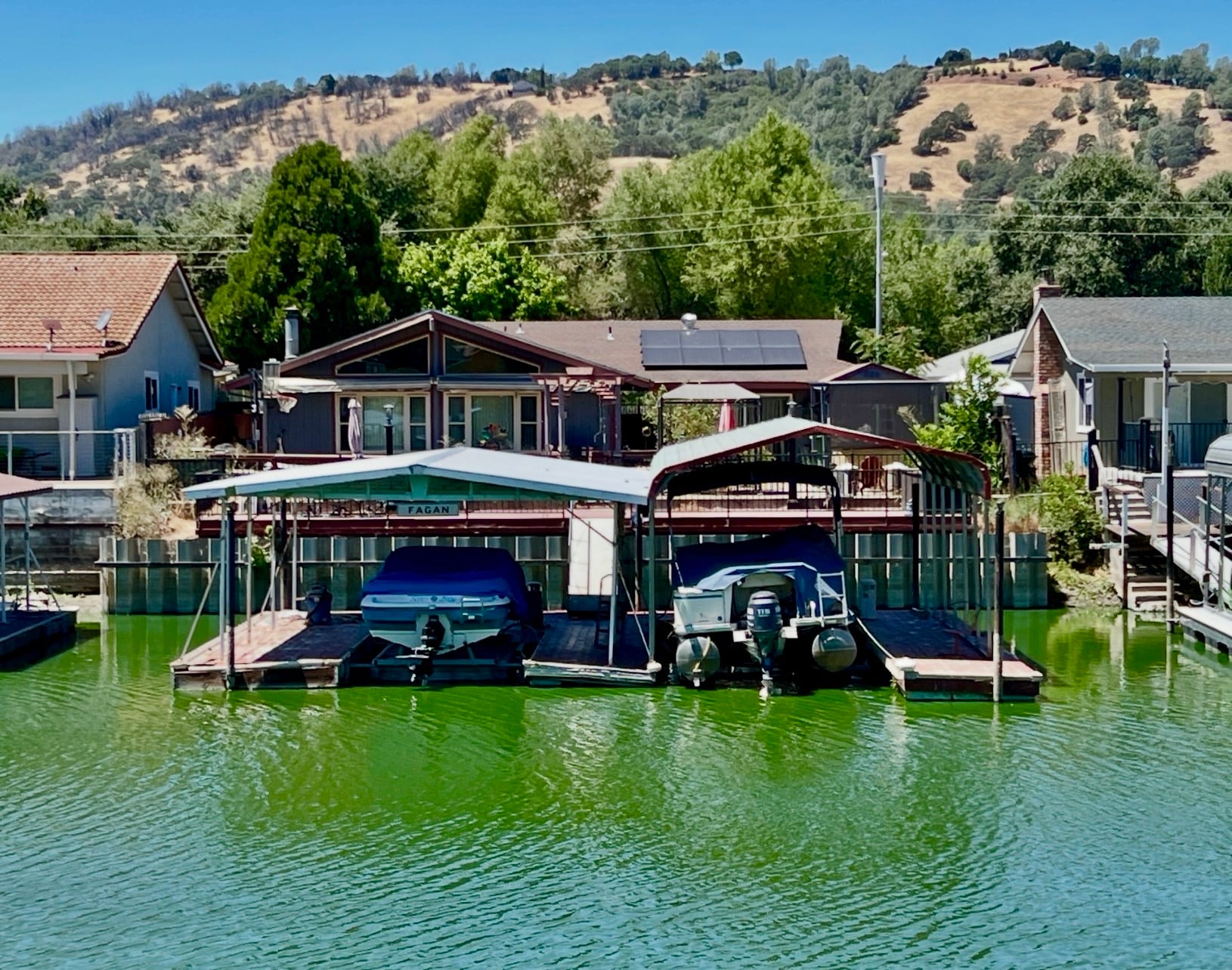
Mesa, AZ is in Maricopa County, Arizona — this guide covers houses in Mesa and the whole local market: resale homes, condos, land, and new construction. The most recent Census estimate puts the population at 507,478, with a median household income of $78,779. Census data puts the median value of houses in Mesa at $364,300.
Info from government sites and builders may have provided source info.
Market overview
Mesa is in Maricopa County, Arizona. Manifest Census and county price-trend data provide baseline context for houses in Mesa and the surrounding county market.
$364,300
507,478
$78,779
0.65% YoY
Population, income, and median home value from the project batch manifest (Census ACS 2023 5-year). County price trend from FHFA county HPI when present in the manifest row.
At a glance
507,478
Maricopa County
$78,779
$364,300
$1,478/mo
+0.7%
Market data compiled from public sources; deemed reliable but not guaranteed; verify independently. See About
Local resources
This featured-agent spot is open for a licensed local real estate professional in Arizona.
Advertise here →Estimate a comfortable price range in under a minute, then connect with a lender for real numbers.
Rough estimate only (28% of income toward housing, ~6.5% illustrative rate, 30-year term) — not a loan offer or pre-qualification. Connect with a lender for real numbers →
Lenders, inspectors, movers, and other local pros — this spot is open.
Advertise here →Why Mesa
The Census Bureau's American Community Survey (2023 5-year estimate) puts Mesa's median home value — across all owner-occupied homes, not just recent sales — at $364,300.
Maricopa County's FHFA house price index shows a 0.65% annual change in 2025.
Mesa has an estimated population of 507,478 and a median household income of $78,779, per the Census Bureau's American Community Survey (2023 5-year estimate).
Mesa's Census-reported median home value works out to about 4.6x the area's median household income, and median gross rent runs roughly 23% of that same income on an annualized basis. Housing economists commonly flag a price-to-income ratio above 4x as historically elevated -- useful context, not a personal affordability verdict.
Nearby
County guide: Maricopa County — cities, market context, and local resources for the county that includes Mesa.
USAHouses.com also helps visitors looking in nearby Maricopa County and other Arizona communities. Some locations may not yet have dedicated pages, but many licensed professionals in this region assist surrounding communities.
Nearby communities include Gilbert, Apache Junction, Chandler, Tempe, Queen Creek, Fountain Hills, Guadalupe, Sun Lakes, Paradise Valley, Scottsdale, Rio Verde, Phoenix, Komatke, Gila Crossing, St. Johns, Glendale.
More Arizona cities with market guides: San Tan Valley, Buckeye, Yuma, Avondale, Flagstaff, Casas Adobes, Queen Creek, Maricopa.
Adjacent-county Census places with USAHouses.com pages: Goodyear Village (~16.7 mi), Gold Canyon (~17.1 mi), San Tan Valley (~17.7 mi), Stotonic Village (~18.1 mi), Lower Santan Village (~18.2 mi), Upper Santan Village (~19.7 mi), Sweet Water Village (~20.6 mi), Wet Camp Village (~20.9 mi), Sacaton (~22.5 mi), Casa Blanca (~22.6 mi), Sacate Village (~23.5 mi), Sacaton Flats Village (~24.0 mi), Queen Valley (~25.1 mi), Blackwater (~26.2 mi), Santa Cruz (~28.1 mi), Florence (~28.8 mi).
New construction: New homes in Mesa · Arizona new construction.
Census & home facts
507,478
$364,300
$78,779
$1,478
0.65%
city
Maricopa County
141.81 sq mi
0446000
Census ACS, FHFA, and FRED figures are labeled with the year present in existing CSVs. Subject to change / confirm locally.
NewUSAHouses.com communities
Availability and pricing are controlled by the builder and may change; confirm with the builder.
Local life
Mesa Unified District (4235) — 78 schools, 58,343 students enrolled, per the U.S. Department of Education's Common Core of Data. Maricopa addresses may be served by Mesa Unified District (4235), but attendance zones vary by street — confirm assigned schools with the district before making a move.
Builders: feature your communities in front of Mesa buyers — learn about advertising ↗
Want to own this market? Ask about our Mesa domains — see available domains ↗
Local guide
The sections below are preserved from the long-form Phoenix WordPress metro guide — the richest prior Mesa-market copy available. No WordPress page existed at /arizona/mesa/ in Rank Math sitemaps or the REST API; this restore brings metro-guide depth under the modern Mesa city layout.
The Phoenix housing market remains one of the most dynamic real estate landscapes in the United States, characterized by a persistent market trend that experts categorize as Hot. Despite broader national economic shifts, the Valley of the Sun continues to experience a robust migration trend defined as High Inbound, as residents from higher-cost coastal regions seek the relative affordability and high quality of life found in Arizona.
Currently, the median home price sits at approximately $415,000, offering a competitive entry point for families and professionals when compared to other major Western metropolitan hubs. This pricing, combined with a steady inventory of both existing homes and new developments, sustains a high level of urgency among buyers looking to settle in the desert Southwest.
What truly sets the current landscape apart is that Phoenix is ground zero for the U.S. semiconductor manufacturing expansion with TSMC and Intel creating tens of thousands of high-income engineering jobs reshaping the west Valley housing market. This industrial renaissance is moving beyond mere speculation and into physical reality, with massive fabrication complexes rising in North Phoenix and Chandler. The influx of specialized talent and substantial corporate investment is driving a localized surge in property values, particularly in areas like Peoria and North Phoenix.
As these high-earning professionals relocate to be near these tech hubs, the surrounding neighborhoods are seeing an evolution in retail, infrastructure, and upscale residential options tailored to this new workforce.
Looking forward, the synergy between the semiconductor boom and the sustained population growth suggests a long-term upward trajectory for Phoenix real estate. Buyers in the current climate are finding that while the market is competitive, the long-term investment potential remains high due to this diversified economic base. From the tech-heavy corridors of the West Valley to the established luxury enclaves of Scottsdale, the demand for housing continues to outpace supply in many sub-sectors.
For those navigating this environment, the combination of a $415,000 median home price and the unprecedented industrial growth makes Phoenix not just a place for relocation, but a strategic focal point for real estate appreciation in the coming years.
Metric — Data
Median Home Price — $415,000
Median Rent — $1,600
Market Trend — Hot
New Home Activity — Very High
Migration Trend — High Inbound
Cost of Living Index — 103
Climate — Desert
Counties — Maricopa and Pinal
Metro Phoenix offers a diverse array of living experiences across its sprawling desert landscape, with each suburb providing a unique draw for potential homeowners. Scottsdale remains the premier choice for those seeking luxury living, high-end shopping, and world-class golf courses, while Gilbert attracts families with its highly-rated school systems and vibrant, pedestrian-friendly downtown heritage district.
Neighbors in Chandler value the area for its “Silicon Desert” reputation, offering proximity to major tech employers and a balanced suburban lifestyle. Meanwhile, Tempe serves as a hub for innovation and urban energy, primarily driven by the presence of Arizona State University and a bustling lakeside business district that appeals to young professionals and academic faculty alike.
Moving toward the West Valley, buyers are increasingly gravitating toward Peoria and Surprise for their exceptional value and recreational opportunities. Peoria is often chosen for its access to Lake Pleasant and high-quality master-planned communities, whereas Surprise is a favorite for retirees and growing families who appreciate the modern infrastructure and affordable housing options.
Further south and west, Goodyear is recognized for its scenic mountain views and rapid commercial expansion, making it a strategic choice for those wanting a mix of nature and new amenities. Buckeye rounds out the expansion as one of the fastest-growing cities in the nation, where buyers choose to settle because of the significantly lower entry prices for brand-new homes and the promise of future appreciation as the infrastructure matures.
Ultimately, the choice of neighborhood in the Phoenix area depends on a buyer’s specific lifestyle priorities, whether they involve short commutes, elite education, or outdoor adventure. The East Valley (Gilbert, Chandler, Scottsdale) generally commands higher price points due to established amenities, while the West Valley (Buckeye, Goodyear, Surprise) offers the most aggressive growth potential and newer construction inventory.
Regardless of the specific suburb, residents across the region benefit from a cohesive desert aesthetic and a shared sense of growth. As the metropolitan area continues to fill in, these distinct hubs are becoming increasingly self-sufficient, ensuring that no matter where a buyer chooses to land, they are never far from the shopping, dining, and employment opportunities that define the modern Phoenix experience.
The Phoenix metropolitan area is currently experiencing a massive surge in residential development, as national builders race to keep pace with the region’s rapid population growth. Major industry players including D.R. Horton, Lennar, and Meritage Homes are leading the charge, establishing expansive new communities that cater to a diverse range of buyers. While established areas like Phoenix, Scottsdale, and Tempe continue to see infill projects and luxury builds, the vast majority of large-scale new construction is pushing into the outer rings of the Valley.
Buyers will find the most concentrated activity in high-growth corridors such as Buckeye, Goodyear, Queen Creek, and Surprise, where land availability allows for master-planned environments designed from the ground up.
In the East Valley, Taylor Morrison and Toll Brothers are highly active in Chandler, Gilbert, and Mesa, often focusing on premium lifestyle communities that blend modern architecture with desert landscapes. Meanwhile, in the West Valley and northern reaches of the city, Beazer Homes and other prominent builders are focusing on affordability and efficiency.
New construction is most active in Buckeye and Goodyear and Queen Creek and Surprise with homes from $350000 to $550000 with resort-style amenities. These price points have become the “sweet spot” for families and professionals relocating to Arizona, offering a significant value proposition compared to coastal markets while maintaining proximity to new employment hubs like the TSMC and Intel campuses.
For those looking toward the Northwest Valley, Peoria and Surprise have become hotspots for mid-range new builds that emphasize energy efficiency and smart home technology. Many of these developments are situated near the Loop 303 corridor, providing easy commutes to the rest of the metro area.
Buyers exploring these new communities can expect a high standard of living characterized by open-concept floor plans, multi-generational living options, and integrated outdoor spaces. Most new builds now include “flex rooms” that can serve as home offices or gyms, reflecting the evolving needs of the modern workforce that is flocking to the Valley of the Sun for its robust economy and year-round sunshine.
Beyond the individual homes, the hallmark of Phoenix’s new construction market is the emphasis on community infrastructure. Residents in these new developments often enjoy access to resort-style amenities, including sprawling aquatic centers, pickleball courts, and extensive trail systems that connect various neighborhoods.
Whether you are looking at the luxury heights of Scottsdale or the family-oriented suburbs of Goodyear and Gilbert, the current inventory provides a wealth of choices. As the market remains hot, buyers are encouraged to engage with builders early in the phase-release process to secure preferred lots and take advantage of builder-offered financing incentives that are common in today’s competitive Phoenix real estate landscape.
The Phoenix metropolitan area is experiencing a significant demographic shift, primarily fueled by the broader Sun Belt migration from California as residents seek relief from high taxes and a more manageable pace of life. Beyond domestic relocation, the region is benefiting from a massive semiconductor industry boom and a perennially strong retirement market attracted by the famous warm climate year-round.
When new residents arrive, they find a sprawling urban landscape that offers a blend of desert beauty and modern infrastructure. To support this growth, the city relies on massive operations from top employers Intel and TSMC and Banner Health and American Express and State Farm and Luke Air Force Base.
For those moving to the Valley, the transition often involves moving from high-density coastal cities to spacious suburban environments. Families and professionals are drawn to the promise of new career opportunities and the recreational lifestyle provided by the surrounding mountains and lakes. Upon arrival, most find a welcoming community and a diverse culinary and cultural scene that exceeds their expectations.
A relocating buyer should first prioritize securing a local real estate expert to navigate the distinct micro-markets of the Valley. Establishing a clear commute threshold is essential, as the geographical spread of the metro area can vary significantly between the East and West Valley employment hubs.
The long-term outlook for Phoenix remains positive as it transitions from a hospitality-based economy to a global technology center. The influx of high-wage engineering and healthcare roles is stabilizing the housing market against broader economic volatility. With a steady stream of newcomers from every corner of the country, the demand for both single-family homes and luxury rentals continues to climb. This sustained interest ensures that the Phoenix area remains a primary destination for those looking to balance professional ambition with a high quality of desert living.
Managing a budget in the Valley is generally more favorable than in other major Western hubs, with the regional cost of living index sitting at a balanced 103. The current median home price of approximately $415,000 remains accessible for middle-class families, especially when compared to the stratospheric prices in neighboring states.
For those not yet ready to purchase, the median rent of $1,600 provides a variety of options ranging from modern downtown apartments to quiet suburban townhomes. While housing costs have risen in recent years, they remain largely proportionate to the increasing income levels driven by the tech and healthcare sectors.
Arizona also offers a favorable property tax context, with rates that are typically lower than the national average, providing significant annual savings for homeowners. This fiscal advantage allows residents to allocate more of their income toward lifestyle and leisure activities.
Transportation costs are another factor to consider; while the metro area is car-dependent, the modern freeway system is well-maintained and efficient. Commute times can vary, but the geographical layout allows for multiple routes across the Valley, helping to manage fuel and maintenance expenses.
Overall affordability remains a primary hook for the region, as utility costs are often offset by lower overall tax burdens. While summer cooling costs can be higher, the lack of extreme winter heating needs balances the annual energy budget.
For many relocating from the Pacific Northwest or California, the “sticker price” of everyday goods and services feels like a substantial raise in disposable income. This combination of a $415,000 median home price and a manageable $1,600 median rent ensures that Phoenix stays competitive as a top-tier destination for budget-conscious professionals.
The heartbeat of the local economy is driven by massive corporate investments, most notably the employers Intel semiconductor campus in Chandler employing over 12000 and the new TSMC fab complex in north Phoenix. These industrial giants, along with the extensive Banner Health network and American Express technology campus, serve as the primary engines for housing demand.
As these companies expand, they bring a consistent influx of high-earning professionals who prioritize short commutes and high-quality residential enclaves. This concentration of industry has created distinct “wealth corridors” where property values remain resilient and demand for modern housing stays high.
Education is a critical driver for home values, with specific districts serving as magnets for relocating families. Schools like Gilbert Public Schools and Chandler Unified School District consistently rank among the top districts in Arizona making the East Valley particularly attractive for relocating families.
Buyers are often willing to pay a premium to be within the boundaries of these high-performing schools, leading to faster appreciation in these submarkets. Similarly, the Deer Valley and Peoria districts in the North and West Valley are seeing increased interest as the semiconductor boom brings new families to those regions.
The intersection of employment hubs and top-tier education creates a “virtuous cycle” for real estate. Areas with proximity to the TSMC plant or the Intel campus generally see more aggressive bidding wars and lower days-on-market for listings. For investors and traditional buyers alike, focusing on the footprints of these major employers and the Gilbert or Chandler school zones is a proven strategy for long-term value.
As the “Silicon Desert” continues to mature, the prestige of these specific submarkets only grows, further cementing their status as the most desirable locations in the metropolitan area.
Phoenix currently holds an investor rating of Very High, underpinned by a market trend that is consistently categorized as Hot. The region’s aggressive expansion is fueled by new homes activity being Very High, providing a steady supply of inventory for those looking to build rental portfolios or engage in fix-and-flip projects.
This is supported by a migration trend of High Inbound, ensuring a constant stream of new tenants and future buyers entering the ecosystem. For the savvy investor, this market suits those looking for a combination of steady cash flow and long-term capital appreciation in a pro-business environment.
The strongest rental demand is currently found in the West Valley near the new industrial corridors and in the East Valley close to the tech campuses. Submarkets like Buckeye and Goodyear are seeing an explosion of “build-to-rent” communities, which cater to families who want the space of a house without the commitment of a mortgage.
While the trend presents opportunities for significant ROI, investors must also navigate the risks of rising construction costs and shifting interest rates. However, the sheer volume of high-income jobs being created in the semiconductor and aerospace sectors provides a safety net that many other markets lack.
Given the migration trend of High Inbound, the vacancy rates across the Valley remain impressively low. Investors who focus on three-to-four bedroom single-family homes in reputable school districts tend to see the most reliable returns. The current Hot market trend suggests that while entry prices have normalized, the lack of inventory relative to the growing population will continue to put upward pressure on both rents and home values.
For those with a long-term horizon, Phoenix remains a foundational market for any diversified real estate portfolio.
In an international context Phoenix is a top-five destination for Canadian snowbirds and retirees and sees significant demand from California-based buyers seeking Arizona vacation and investment properties. The market trend remains Hot, driven by the region’s predictable weather and growing global reputation as a technology hub.
Foreign buyers are particularly drawn to the top cities of Phoenix and Scottsdale for luxury estates, as well as Gilbert and Chandler for stable investment opportunities. Additionally, the West Valley cities of Tempe, Mesa, Peoria, Surprise, and Goodyear are becoming increasingly popular for those seeking newer builds at more competitive price points.
For international purchasers, financing and legal considerations in Arizona are relatively straightforward, though it is vital to work with a title company experienced in foreign investment and tax treaties. Most international buyers seek low-maintenance properties such as luxury condos in Scottsdale or lock-and-leave townhomes in gated communities that offer resort-style amenities.
These properties serve perfectly as seasonal residences or high-end short-term rentals. As the Valley continues to expand its international flight connections and global business presence, the ease of owning property in this desert oasis remains a primary draw for global investors.
For official population and housing data visit the U.S. Census Bureau Maricopa and Pinal data.
Explore more: Arizona Real Estate | All 50 States | New Construction Homes
Phoenix offers strong job growth from semiconductor manufacturing and warm year-round climate and active new construction inventory across the west and east Valley suburbs.
The median home price in metro Phoenix is approximately $415000 with new construction in outer suburbs like Buckeye and Surprise available from the mid $300000s.
Buckeye and Goodyear and Queen Creek and Surprise and Peoria are the most active new construction markets in metro Phoenix with multiple national builder communities opening annually. This metro is vast and there are many new homes in Phoenix and the surrounding metro area to choose from.
Phoenix offers strong rental demand from semiconductor and healthcare workers and consistent population growth and an investment-friendly regulatory environment with no rent control.
Semiconductor manufacturing expansion by Intel and TSMC and domestic migration from California and a growing retirement population and Arizona business-friendly tax environment are the primary drivers.
Preserved from WordPress page ID 3524 at /arizona/phoenix/. Listing widgets, Kadence chrome, and Quick Facts price tables were omitted so Census ACS figures above remain the page's primary market stats. · WordPress source ↗
Common questions
The Census Bureau's American Community Survey puts the median value of houses in Mesa at $364,300.
For owner-occupied houses in Mesa, Census ACS data shows a median value of $364,300. Active listing prices in Maricopa County may differ — see the market snapshot above.
Mesa houses include resale single-family homes, condos, mobile homes, and small multi-unit buildings, plus new construction in surrounding Maricopa County communities where builders are active. The housing-stock section below uses Census ACS structure counts when available for this city.
The U.S. Census Bureau's American Community Survey (2023 5-year estimate) puts Mesa's population at approximately 507,478.
The Census ACS estimates median gross rent in Mesa at approximately $1,478 per month.
Census ACS data puts the median household income in Mesa at approximately $78,779.
Maricopa County's FHFA house price index shows a 0.65% annual change in 2025.
Census ACS data puts Mesa's median home value at about 4.6 times the median household income, with median gross rent equal to roughly 23% of that income annually. This is a general benchmark, not a personal pre-qualification -- your own income, debt, and down payment determine what you can actually afford.
Manifest and public school-directory data suggest Mesa Unified District (4235) for many Mesa addresses, but attendance zones vary by street — verify your assigned schools with the district before making a move.
Search Mesa
Search USAHouses.com places, or open verified new construction on NewUSAHouses.com.
New construction in Arizona ↗Get connected
Prices, availability, and incentives change weekly and don't always make it onto this page. Tell us your area, budget, and timeline and we'll point you to communities that fit — including options we track but haven't published here yet.
Get connected in MesaExplore more
Tell us what you're looking for — buy, sell, both, invest, rent, or you're an agent, builder, vendor, or advertiser. Include where you want to buy or sell and your address if relevant, and we'll route you to the right resource.
Buyer · Seller · Both · Investor · Renter · Agent/Broker · New Home Builder · Vendor/Service Pro · Advertiser · Other
Enter your name and email. After your request is received, NewUSAHouses.com will open in a new tab.
Request received—opening NewUSAHouses.com…
Open new homes
22 verified new-home communities.
Organic
Shea Homes · Mesa, Arizona · Maricopa County
From $560,990. Price as last verified, subject to change / confirm with the builder.
Organic
Lennar · Mesa, Arizona · Maricopa County
From $489,990. Price as last verified, subject to change / confirm with the builder.
Organic
Dream Finders Homes · Mesa, Arizona · Maricopa County
From $531,990. Price as last verified, subject to change / confirm with the builder.
Organic
David Weekley Homes · Mesa, Arizona · Maricopa County
Price was not listed. Confirm the current price with the builder.
Organic
Shea Homes · Mesa, Arizona · Maricopa County
From $659,990. Price as last verified, subject to change / confirm with the builder.
Organic
Blandford Homes · Mesa, Arizona · Maricopa County
Price was not listed. Confirm the current price with the builder.
View all new communities in this place · Map
New-Home Communities · Master-Planned Communities · Builders · Homes for Sale
Organic results are labeled Organic. Sponsored placements are labeled Sponsored and sort first. Community details open on NewUSAHouses.com. Prices are subject to change / confirm with the builder.