Open
Local agent spot
This featured-agent spot is open for a licensed local real estate professional in Texas.
Advertise here →Fort Worth, TX · Houses & Market Data
Houses in Fort Worth, TX (Tarrant County) — Census median home value $277,300, county listing prices down about 0.5% over the past year. Market data for Fort Worth houses and the broader area.
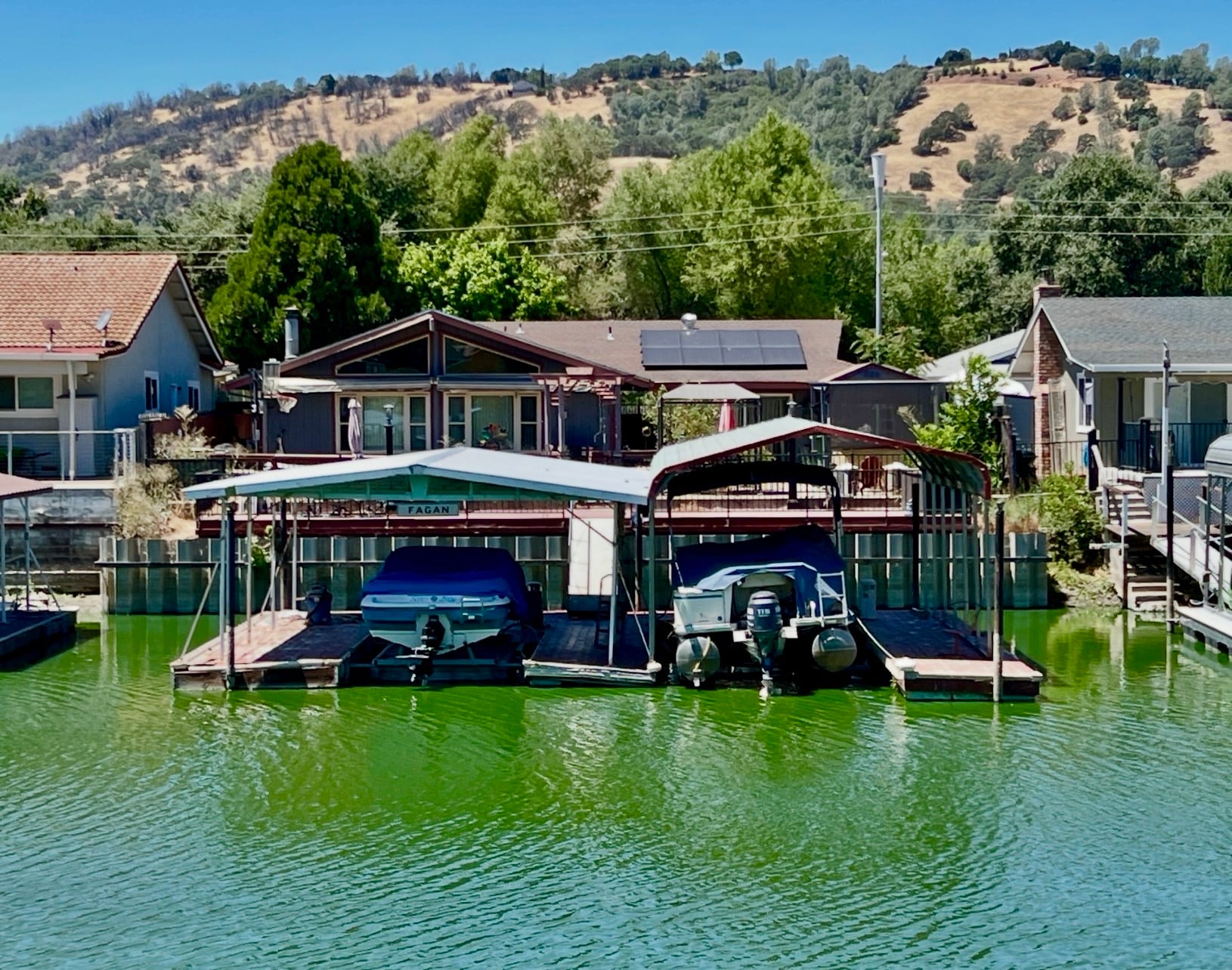
Fort Worth, TX is in Tarrant County, Texas — this guide covers houses in Fort Worth and the whole local market: resale homes, condos, land, and new construction. The most recent Census estimate puts the population at 941,311, with a median household income of $76,602. Census data puts Fort Worth houses at a median value of $277,300 (all owner-occupied homes); Tarrant County's current median listing price runs $375,450, down about 0.5% over the past year.
Info from government sites and builders may have provided source info.
Market overview
Fort Worth is in Tarrant County, Texas. Manifest Census and county price-trend data provide baseline context for houses in Fort Worth and the surrounding county market.
$277,300
941,311
$76,602
0.46% YoY
Population, income, and median home value from the project batch manifest (Census ACS 2023 5-year). County price trend from FHFA county HPI when present in the manifest row.
At a glance
941,311
Tarrant County
$76,602
$277,300
$375,450
$1,412/mo
-0.5%
Market data compiled from public sources; deemed reliable but not guaranteed; verify independently. See About
Local resources
This featured-agent spot is open for a licensed local real estate professional in Texas.
Advertise here →Estimate a comfortable price range in under a minute, then connect with a lender for real numbers.
Rough estimate only (28% of income toward housing, ~6.5% illustrative rate, 30-year term) — not a loan offer or pre-qualification. Connect with a lender for real numbers →
Lenders, inspectors, movers, and other local pros — this spot is open.
Advertise here →Why Fort Worth
The Census Bureau's American Community Survey (2023 5-year estimate) puts Fort Worth's median home value — across all owner-occupied homes, not just recent sales — at $277,300. Separately, Tarrant County's current median listing price (via Realtor.com data, 2026-06-01) runs $375,450. These cover different geography (city vs. county) and different measures (assessed value vs. active listings), which is why we show both rather than picking one — full source list on our data sources page.
Tarrant County's FHFA house price index shows a 0.46% annual change in 2025.
Fort Worth has an estimated population of 941,311 and a median household income of $76,602, per the Census Bureau's American Community Survey (2023 5-year estimate).
Fort Worth's Census-reported median home value works out to about 3.6x the area's median household income, and median gross rent runs roughly 22% of that same income on an annualized basis. Housing economists commonly flag a price-to-income ratio above 4x as historically elevated -- useful context, not a personal affordability verdict.
Nearby
County guide: Tarrant County — cities, market context, and local resources for the county that includes Fort Worth.
USAHouses.com also helps visitors looking in nearby Tarrant County and other Texas communities. Some locations may not yet have dedicated pages, but many licensed professionals in this region assist surrounding communities.
Nearby communities include Haslet, Westlake, Southlake, Roanoke, Trophy Club, Justin, Northlake, Flower Mound, Corral City, New Fairview, Bartonville, Double Oak, DISH, Argyle, Lantana, Copper Canyon.
More Texas cities with market guides: Dallas, Plano, Lubbock, Laredo, Irving, Garland, Frisco, McKinney.
Adjacent-county Census places with USAHouses.com pages: River Oaks (~2.9 mi), Sansom Park (~3.4 mi), Westover Hills (~4.5 mi), Westworth Village (~4.6 mi), Blue Mound (~5.0 mi), Haltom City (~5.1 mi), Lake Worth (~5.2 mi), Saginaw (~5.9 mi), White Settlement (~6.8 mi), Richland Hills (~7.4 mi), Lakeside (~8.1 mi), Watauga (~8.4 mi), Edgecliff Village (~8.7 mi), North Richland Hills (~9.3 mi), Forest Hill (~9.6 mi), Benbrook (~9.8 mi).
New construction: New homes near Fort Worth (Arlington Tx) · New homes near Fort Worth (Austin) · Texas new construction.
Census & home facts
941,311
$277,300
$76,602
$1,412
-0.88%
$495,500
city
Denton County
351.93 sq mi
4827000
Census ACS, FHFA, and FRED figures are labeled with the year present in existing CSVs. Subject to change / confirm locally.
NewUSAHouses.com communities
Availability and pricing are controlled by the builder and may change; confirm with the builder.
Local life
FORT WORTH ISD — 140 schools, 72,783 students enrolled, per the U.S. Department of Education's Common Core of Data. Tarrant addresses may be served by FORT WORTH ISD, but attendance zones vary by street — confirm assigned schools with the district before making a move.
Builders: feature your communities in front of Fort Worth buyers — learn about advertising ↗
Want to own this market? Ask about our Fort Worth domains — see available domains ↗
Local guide
The sections below are preserved from the long-form Dallas–Fort Worth WordPress metro guide — the richest prior Fort Worth-market copy available. No WordPress page existed at /texas/fort-worth/ in Rank Math sitemaps or the REST API; this restore brings metro-guide depth under the modern Fort Worth city layout.
The Dallas-Fort Worth metro continues to be one of the strongest and most active housing markets in the United States in 2026. With a median home price around $385,000, the area remains more affordable than many coastal tech and finance hubs while delivering robust job growth and lifestyle amenities. The market trend is hot, supported by steady inbound migration and very high new home activity that helps moderate price pressure in many suburbs.
Corporate relocations and a diverse economy spanning technology, finance, aviation, logistics, and healthcare have driven sustained demand. No state income tax in Texas gives residents and investors a meaningful financial advantage, while abundant new construction — especially in northern Collin and Denton counties — provides buyers with modern options across a wide price spectrum from entry-level to luxury. Inventory levels have improved compared to peak pandemic years, giving motivated buyers more negotiating power in certain submarkets, though desirable neighborhoods in Frisco, McKinney, and Prosper still see competitive offers.
Overall, DFW offers a balanced environment for both owner-occupants and investors, with strong long-term fundamentals rooted in population growth and economic expansion.
Frisco stands out as one of the premier suburbs thanks to its master-planned communities, excellent Frisco ISD schools, and vibrant mixed-use developments anchored by The Star (Dallas Cowboys headquarters). Buyers are drawn to its family-friendly vibe, abundant parks, and proximity to major employment centers. McKinney combines historic charm in its downtown with rapid growth in new neighborhoods, appealing to those who want small-town feel with big-city access and strong schools.
Prosper has become a magnet for families seeking larger lots and newer homes, benefiting from highly rated Prosper ISD and convenient access to the northern growth corridor. Southlake is known for its luxury lifestyle, top-rated Carroll ISD, and upscale shopping and dining, attracting executives and high-income professionals who value prestige and excellent amenities. Plano offers a mix of established neighborhoods and corporate proximity, with strong schools and diverse housing options that appeal to both young professionals and relocating families.
Allen and Flower Mound round out the top choices with safe, well-maintained communities, good schools, and convenient commutes, making them ideal for buyers seeking value and quality of life in the DFW metro.
New construction remains a major strength of the DFW market, with activity concentrated in the northern corridors of Collin and Denton counties, including Frisco, McKinney, Celina, and Prosper. National builders such as D.R. Horton, Lennar, Perry Homes, Meritage Homes, and Highland Homes dominate many communities, offering homes priced from the low $300,000s in outer suburbs up to $700,000+ in more premium master-planned areas.
Buyers can expect modern open-concept floor plans, smart home features, energy-efficient designs, and resort-style community amenities like pools, trails, and clubhouses. Northern growth areas benefit from proximity to major employers and excellent schools, while inventory levels in 2026 have improved, allowing more selection and occasional builder incentives such as rate buydowns or closing cost assistance. New communities continue to expand in Celina and Forney as well, providing options for those seeking slightly more affordable entry points with quick access to the broader metro.
People continue to relocate to DFW in large numbers due to the combination of no state income tax, diverse and growing job opportunities, and a high quality of life at a relatively affordable price point compared to coastal metros. Major corporations have brought thousands of high-paying positions in tech, finance, aviation, and logistics, drawing professionals and families from higher-tax states.
Relocators often find a welcoming, business-friendly environment with excellent schools in suburban areas, abundant new housing, and a vibrant cultural and sports scene. Upon arrival, new residents typically prioritize securing housing in high-growth corridors with good school districts, then explore the extensive highway network and DART public transit options for commuting. First steps usually include researching specific suburbs based on family needs, job location, and budget, then connecting with local real estate professionals who understand the nuances of the massive metro area.
DFW maintains a cost of living index around 98, which is below the national average and helps offset higher housing costs in desirable areas. Median home prices near $385,000 and median rents around $1,650 make the metro more accessible than many peer markets, though property taxes in Texas are relatively high and should be factored into monthly costs.
Housing remains the largest expense, but the absence of state income tax provides meaningful savings for residents and investors. Commute and transportation costs vary — many residents rely on personal vehicles given the sprawling layout, though DART light rail serves key corridors. Overall, DFW offers strong affordability for its economic output and job quality, particularly when compared to high-cost coastal regions.
Major employers driving housing demand include AT&T, American Airlines, Toyota North America, JPMorgan Chase, and Lockheed Martin, with global and regional headquarters creating stable, high-income job centers across the metro. These companies anchor demand in northern suburbs and along key corridors, supporting both ownership and rental markets.
School districts play a significant role in home values, with Frisco ISD and Prosper ISD consistently ranking among the strongest in Texas and attracting families willing to pay premiums for top-rated education. Proximity to these high-performing districts and major employment hubs directly influences property values in specific submarkets, making careful location research essential for relocating buyers and investors.
DFW earns a very high investor rating thanks to strong rental demand from corporate relocations and population growth, combined with very high new home activity that keeps supply responsive. The market suits both long-term buy-and-hold investors and those focused on new construction for quicker cash flow or appreciation plays.
Submarkets in outer Collin and Denton counties often offer the strongest rental yields due to affordable entry prices and steady tenant demand from young professionals and families. Risks include potential short-term softening if interest rates rise or migration slows, but the overall trend of inbound population growth and economic diversification supports solid long-term opportunities.
International buyers are increasingly drawn to DFW for its professional job opportunities, no state income tax, and family-friendly suburbs with excellent schools and modern amenities. Buyers from India, Mexico, and the UK are particularly active, often seeking properties near tech and finance employment centers or in master-planned communities.
Financing and legal considerations are straightforward for cash buyers, while those needing mortgages should work with lenders familiar with international documentation. Most international buyers target single-family homes or townhomes in growing northern suburbs for both personal use and potential rental income.
For official population and housing data visit the U.S. Census Bureau Dallas County data.
Explore more: Texas Real Estate | All 50 States | New Construction Homes
Is DFW a good place to buy a home? DFW offers no state income tax and strong job growth and significant new construction inventory across Collin and Denton counties making it one of the most active buyer markets in the country.
What is the median home price in Dallas-Fort Worth? The median home price in the DFW Metroplex is approximately $385,000 with variation from entry-level new construction in outer suburbs to luxury homes in Southlake and Highland Park.
Which DFW suburbs have the most new construction? Frisco and McKinney and Celina and Prosper and Forney lead DFW in active new home communities with D.R. Horton and Lennar and Perry Homes operating multiple subdivisions simultaneously.
Is DFW good for real estate investors? DFW houses and homes offer strong rental demand driven by corporate relocation and population growth with investor-grade properties available across a wide price range from Arlington to outer Collin County.
What is driving population growth in DFW? Corporate relocations from high-tax states and a diverse job market spanning tech and finance and aviation and logistics and Texas no-income-tax advantage continue to drive sustained population growth across the Metroplex. The Dallas-Forth Worth metroplex has many homes for sales, both new and otherwise. DFW houses are a lot lower priced than many other large metros across the nation.
Preserved from WordPress page ID 3518 at /texas/dallas-fort-worth/. Listing widgets, Kadence chrome, and Quick Facts price tables were omitted so Census ACS figures above remain the page's primary market stats. · WordPress source ↗
Common questions
The Census Bureau's American Community Survey puts the median value of houses in Fort Worth at $277,300. Tarrant County's current median listing price runs $375,450, down about 0.5% over the past year.
For owner-occupied houses in Fort Worth, Census ACS data shows a median value of $277,300. Active listing prices in Tarrant County may differ — see the market snapshot above.
Fort Worth houses include resale single-family homes, condos, mobile homes, and small multi-unit buildings, plus new construction in surrounding Tarrant County communities where builders are active. The housing-stock section below uses Census ACS structure counts when available for this city.
The U.S. Census Bureau's American Community Survey (2023 5-year estimate) puts Fort Worth's population at approximately 941,311.
The Census ACS estimates median gross rent in Fort Worth at approximately $1,412 per month.
Census ACS data puts the median household income in Fort Worth at approximately $76,602.
Tarrant County's FHFA house price index shows a 0.46% annual change in 2025.
Census ACS data puts Fort Worth's median home value at about 3.6 times the median household income, with median gross rent equal to roughly 22% of that income annually. This is a general benchmark, not a personal pre-qualification -- your own income, debt, and down payment determine what you can actually afford.
Manifest and public school-directory data suggest FORT WORTH ISD for many Fort Worth addresses, but attendance zones vary by street — verify your assigned schools with the district before making a move.
Search Fort Worth
Search USAHouses.com places, or open verified new construction on NewUSAHouses.com.
New construction in Texas ↗Get connected
Prices, availability, and incentives change weekly and don't always make it onto this page. Tell us your area, budget, and timeline and we'll point you to communities that fit — including options we track but haven't published here yet.
Get connected in Fort WorthExplore more
Tell us what you're looking for — buy, sell, both, invest, rent, or you're an agent, builder, vendor, or advertiser. Include where you want to buy or sell and your address if relevant, and we'll route you to the right resource.
Buyer · Seller · Both · Investor · Renter · Agent/Broker · New Home Builder · Vendor/Service Pro · Advertiser · Other
Enter your name and email. After your request is received, NewUSAHouses.com will open in a new tab.
Request received—opening NewUSAHouses.com…
Open new homes
54 verified new-home communities.
Organic
Mattamy Homes · Fort Worth, Texas · Wise County
From $200,000. Price as last verified, subject to change / confirm with the builder.
Organic
D.R. Horton · Fort Worth, Texas · Tarrant County
From $424,990. Price as last verified, subject to change / confirm with the builder.
Organic
Sandlin Homes · Fort Worth, Texas · Tarrant County
Price was not listed. Confirm the current price with the builder.
Organic
Lennar · Fort Worth, Texas · Tarrant County
From $255,999. Price as last verified, subject to change / confirm with the builder.
Organic
Starlight Homes · Fort Worth, Texas · Tarrant County
Price was not listed. Confirm the current price with the builder.
Organic
Trophy Signature Homes · Fort Worth, Texas · Tarrant County
Price was not listed. Confirm the current price with the builder.
View all new communities in this place · Map
New-Home Communities · Master-Planned Communities · Builders · Homes for Sale
Organic results are labeled Organic. Sponsored placements are labeled Sponsored and sort first. Community details open on NewUSAHouses.com. Prices are subject to change / confirm with the builder.